
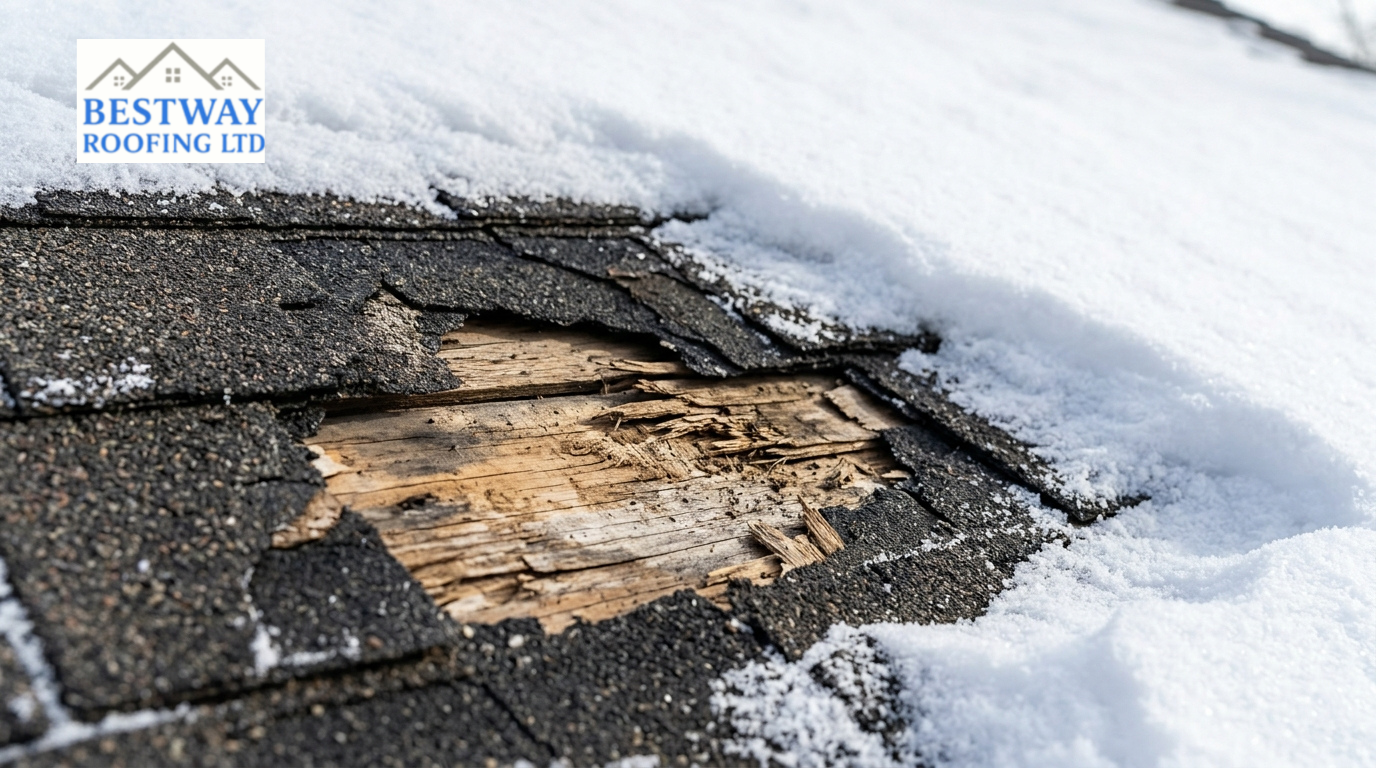
Quick Answer
Winter is the toughest season for any roof. Freezing nights, driving rain, strong winds, and sudden temperature swings put pressure on your tiles, joints, and the structure underneath. In Essex, a mild, wet afternoon followed by a hard overnight frost is common, and this repeated freeze-thaw cycle quietly turns small defects into costly repairs.
Many homeowners only notice the damage once a stain appears on the ceiling, by which point water has often been getting in for weeks. Knowing what to look for and acting early can save you stress and expense.
This guide covers common winter roof problems, how frost and ice damage roof tiles, the warning signs to spot early, and when to call a professional. We also explain how to protect your roof and gutters, and when a repair is enough or a full replacement makes better sense.
How Frost and Ice Damage Roof Tiles?
Roof tiles, especially older clay and concrete ones, are porous. They absorb small amounts of rainwater, and when temperatures drop below freezing, that moisture turns to ice and expands. The expansion creates tiny cracks. Once the ice melts, water seeps deeper into the cracks, and the next frost widens them.
What Happens When Water Gets Under the Tiles?
Once frost cracks a tile, rainwater can reach the underlay, battens and roof timbers. At first, the leak may be so slow that you don’t notice it. Over time, the damp can rot timber, soak the loft insulation and cause stains or mould on upper-floor ceilings. That is why a small cracked tile left alone can turn into a much bigger repair bill by the end of winter.
Over several winters, this freeze-thaw cycle can cause:
Because these problems begin on the surface, you often can’t see them from the ground until a leak appears inside the house.
Common Winter Roof Problems to Watch For
1. Cracked and Broken Tiles
Frost damage, falling branches and high winds can all break tiles. Even one cracked tile exposes the felt and timber below. If you spot broken pieces in the garden or on the driveway after a storm, get the roof checked straight away. A prompt roof repair is usually a small job, while a neglected leak can mean rotten battens and damaged insulation.
2. Ice Build-Up and Ice Dams
When heat escapes from the loft, snow on the roof melts and then refreezes at the colder eaves. This forms a ridge of ice that stops meltwater draining away, forcing it back under the tiles. Poor loft insulation and blocked ventilation make this far more likely.
3. Blocked or Frozen Gutters
Autumn leaves, moss, and debris left in gutters can trap water that then freezes. The added weight can pull gutters away from the fascia, crack joints, and cause overflow that soaks your walls. Keeping your uPVC fascia and guttering clear and properly aligned is one of the simplest ways to protect your roofline through winter.
4. Damaged Flashing and Chimney Stacks
Lead flashing and mortar around chimneys are exposed on all sides, so frost and wind hit them hard. Cracked lead, crumbling pointing and lifted edges are classic entry points for water. If you notice loose mortar or staining around the base of your stack, getting a chimney repair service will stop the damage from spreading into your loft and ceilings.
5. Leaks, Damp Patches and Mould
Water that gets past damaged tiles or flashing often shows up as brown stains on ceilings, peeling paint, a musty smell or black mould in upper rooms. If you leave moisture untreated, it can spread into walls and structural timber. Early damp-proofing, along with fixing the leak’s source, keeps your home dry and healthy.
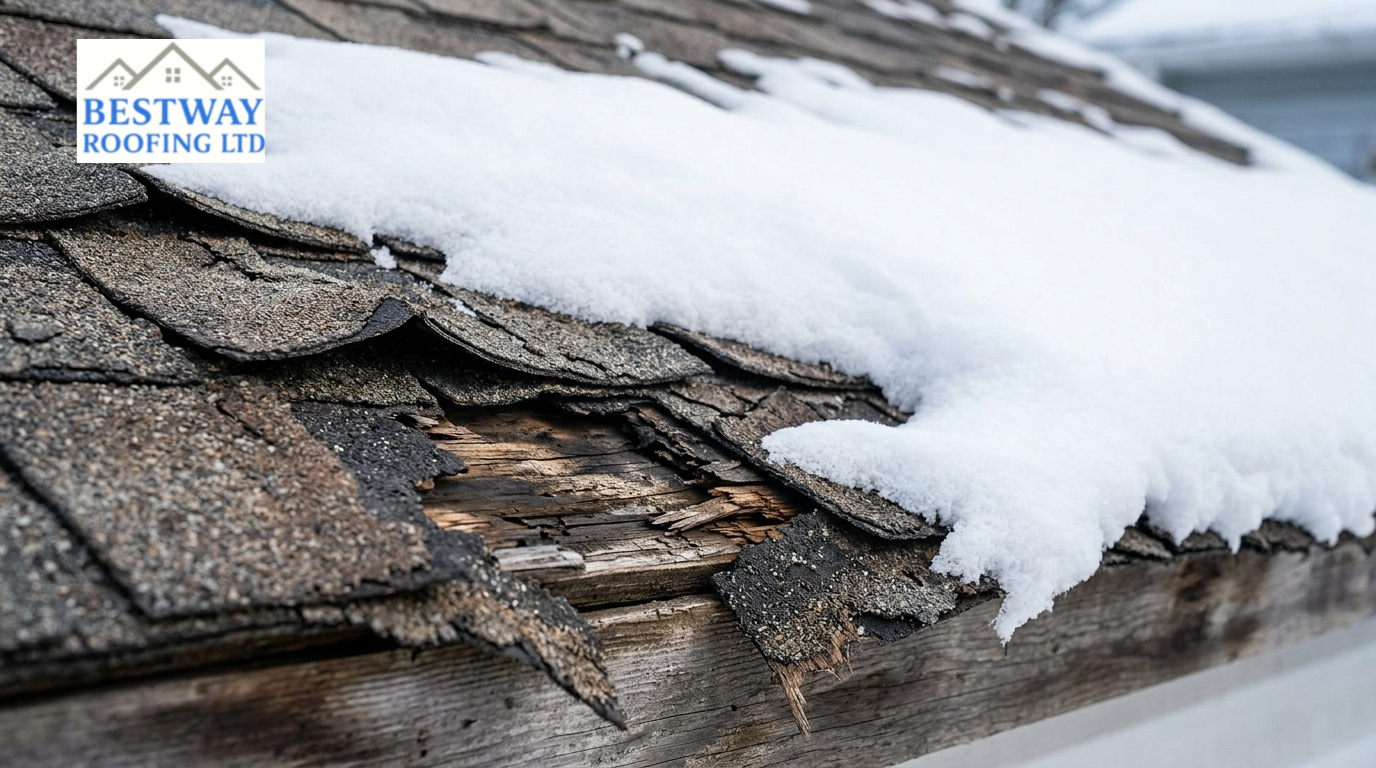
Signs Your Roof Needs Attention This Winter
You don’t need to climb a ladder to spot trouble. From the ground, look out for:
- Missing, slipped or visibly cracked tiles
- Moss or debris piling up on the roof or in the gutters
- Sagging gutters or water running down the outside walls
- Damp patches, stains or mould on upper-floor ceilings
- Draughts or cold spots in the loft
- Daylight visible through the roof when you look in the loft
Never walk on a frosty roof or lean a ladder against icy guttering. Roofs are slippery and dangerous in winter, so leave this job to trained, insured professionals.
Do you need to repair or replace your Roof?
Most winter damage can be fixed with a targeted repair. Replacing a handful of tiles, re-bedding ridge tiles or renewing flashing is often enough to restore protection. However, if your roof is nearing the end of its life, with widespread cracking, sagging or repeated leaks, ongoing repairs may stop being cost-effective. In that case, a new roof installation can give you long-term peace of mind, better weather resistance and improved energy efficiency.
An honest inspection will tell you which option makes sense, without pressure to do more than is needed.
Want to Know More About Roof Repair Costs?
Read our roof repair cost guide to see typical prices and what affects them.
Read Our GuidePrevention tips to Protect Your Roof
A few simple steps can reduce the risk of winter damage:
- Clear your gutters before the worst weather arrives, and again after storms.
- Check your loft for damp, daylight and signs of condensation.
- Keep the loft insulated and ventilated to reduce ice dams and heat loss.
- Trim overhanging branches that could drop onto the roof in high winds.
- Book a professional inspection after any heavy storm or hard frost.
Book a Professional Roof Inspection Today
If you have spotted cracked tiles, ice damage, leaking gutters or damp patches, don’t wait for the next cold snap. Small roof problems rarely stay small, and a few weeks of rain, frost and wind can turn a minor fault into costly damage to your loft, ceilings and walls.
Our team at Bestway Roofing – Chelmsford Roofing has around 30 years of experience helping homeowners across Chelmsford, Braintree and Ipswich. We offer roof repair services in Chelmsford as a core service, including replacing cracked or slipped tiles, fixing leaks, repairing gutters, and tracing damp patches to their source. Every job starts with a proper inspection, so you get fast, reliable work and honest advice on whether you need a quick fix or something more.
Contact us today for a free, no-obligation quote or call us now to arrange an inspection.
Conclusion
Winter puts every roof under pressure, but most serious damage starts small. A cracked tile, blocked gutter, or loose pointing around the chimney can turn into a leaking ceiling if you ignore it through a few frosts. Checking your roof from the ground, keeping gutters clear and acting quickly on any warning signs will protect your home and keep repair costs down.
If you are unsure about your roof’s condition, a professional inspection gives you a clear answer. Bestway Roofing offers honest advice on whether a simple repair will do or you need a bigger job, so you only pay for what your roof really needs.
FAQs
How often should I have my roof inspected?
It is a good idea to have your roof checked at least once a year, ideally in autumn before the worst of the weather arrives. You should also book an inspection after any severe storm or hard frost, as damage is not always visible from the ground.
How long does a roof repair usually take?
Small repairs, such as replacing a few tiles or fixing flashing, can often be finished in a few hours to a day. Larger jobs take longer, depending on the extent of the damage, roof access, and the weather.
Will I need scaffolding for a roof repair?
It depends on the height of your property and the type of work. Minor repairs on a low roof may only need ladders, while higher or more complex jobs may need scaffolding or an access tower for safety.

Pingback: How to Prepare Your Roof for Autumn:7 Checks For UK