
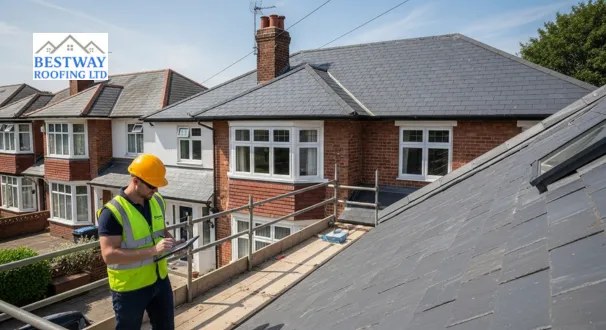
Most homeowners in Chelmsford can expect to pay between £5,000 and £15,000 for a full roof replacement, though costs vary by roof size, pitch, and material choice.
Roof installation costs in Chelmsford and across Essex depend on several factors, from your roof’s size and pitch to the materials you choose and the condition of the structure underneath. What one homeowner pays for a straightforward retile on a 1930s semi could look very different from what another pays to replace a large, complex roof with multiple chimneys and dormers.
In this guide, we’ll break down the typical cost of a new roof installation in Chelmsford, the main factors that influence price, and how to make sure you’re getting a fair, accurate quote, not just the cheapest one.
Average Cost of a New Roof in Chelmsford
For a typical semi-detached or terraced house in Chelmsford, a full roof replacement generally costs between £5,000 and £12,000. Larger detached properties or homes with more complex roof shapes can push costs upwards of £15,000 to £20,000, particularly if premium materials like natural slate are used.
Here’s a rough breakdown by roof size:
- Small roof (up to 40m²): £4,500 to £7,000
- Medium roof (40 to 70m²): £7,000 to £12,000
- Large roof (70m²+): £12,000 to £20,000+
These figures cover labour, materials, scaffolding, and disposal of the old roof, but always ask for an itemised quote so you know exactly what’s included.
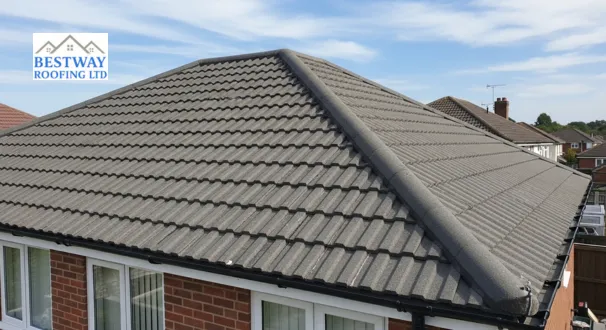
What Affects the Cost of Your New Roof
Roof size and pitch:
Larger roofs need more materials and labour hours, which directly affects overall cost. A steeper pitch adds further complexity, as roofers often need extra safety equipment and more time to work safely at height. Roofs with multiple angles, valleys, or dormer sections also take longer to install, since each junction needs careful detailing to prevent future leaks. As a result, steep or architecturally complex roofs in Chelmsford can cost 10 to 20 per cent more than a standard roof of the same size.
Material choice
This is one of the biggest price drivers:
- Concrete tiles: £4,500 to £8,000 for an average home, the most budget-friendly option
- Clay tiles: £6,000 to £10,000, popular for their durability and traditional look
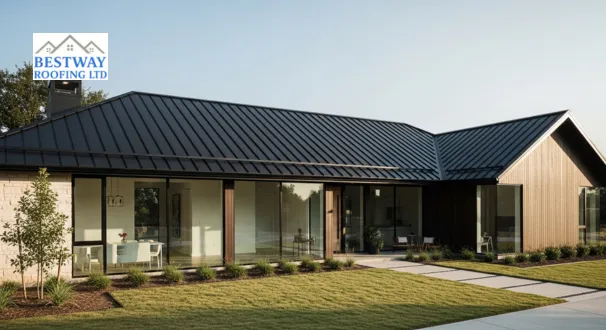
- Natural slate: £9,000 to £15,000+, prized for longevity but a higher upfront cost
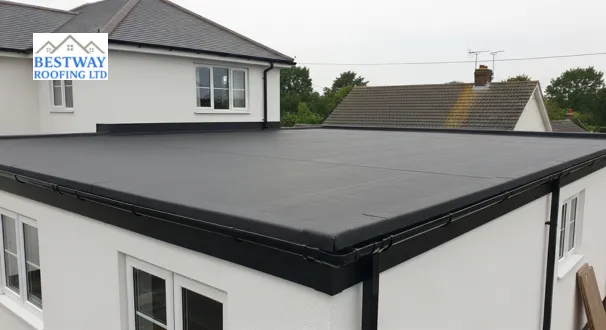
- Flat roofing (EPDM, felt, or GRP): £2,500 to £6,000 depending on size and system
Roof structure and condition
If your roofer finds dry rot, damaged joists, or other structural issues once the old roof is stripped, this can add unexpected costs. Budget a contingency of around 10 to 15 per cent for this. These issues are often impossible to spot until the old covering is removed, so a reputable roofer will flag any concerns and get your approval before doing extra work.
Access and scaffolding
Chelmsford’s mix of terraced streets and detached properties means access can vary. Scaffolding typically adds £800 to £1,500 to the overall job, depending on how straightforward the setup is. Tight terraced streets can sometimes require council permits for pavement scaffolding, adding a small extra cost and a bit of lead time.
Labour and Installation
Hiring an expert roofing company in Chelmsford provides quality workmanship, but labour costs can vary depending on experience and demand.
Removal and disposal
Stripping and disposing of the old roof, including skip hire and waste transfer, usually adds a few hundred pounds to the total. The exact cost depends on roof size and material, since heavier materials like slate or concrete tiles require more skip space and a higher weight allowance.
Additional Factors That Affect the Final Price
| Item | Cost |
|---|---|
| Building regulations approval | Required for some replacements, especially if insulation levels are upgraded at the same time |
| Guttering and fascias | £500 to £1,500 if replaced alongside the roof |
| Insulation upgrades | £300 to £1,000, but pays off in energy savings |
| Roof ventilation upgrades | £150 to £500 for additional vents or improved airflow |
| Chimney flashing repair or renewal | £200 to £600 if the chimney is affected by the works |
| Skylights or roof windows | £500 to £1,500 per unit, depending on size and installation |
| VAT | Added on top of labour and materials, usually at the standard rate |
Full Replacement vs Repair
Not every roofing issue calls for a full replacement. If your roof is under 20 years and the damage is localised, such as a few slipped tiles or a small leak, a repair might cost anywhere from £150 to £1,000. A full replacement makes more sense when:
- The roof is nearing or past its expected lifespan (20 to 50 years depending on material). Not sure how much life your roof has left? Check our guide on how long a roof lasts to get a clearer idea.
- There’s widespread wear across multiple areas
- You’re seeing recurring leaks despite previous repairs
- The felt or underlay beneath the tiles has deteriorated
A roofer can assess this during an inspection and advise honestly on whether repair or replacement offers better value.
Getting an Accurate Quote in Chelmsford
Prices can shift based on the season, contractor availability, and material costs, so the best way to get an accurate figure is a site visit and written quote from a professional roofing Contractor. At BestWay Roofing – Chelmsford Roofing, we provide complete new roof installation services with transparent, written quotes, so when comparing offers, make sure each one specifies materials, warranty length, and whether scaffolding and waste disposal are included, as this makes like-for-like comparison much easier.
Conclusion
The cost of a new roof installation in Chelmsford depends on several factors: the size and pitch of your roof, the materials you choose, the presence of chimneys, dormers, or skylights, and the condition of the structure underneath. While typical full re-roofs on standard properties often fall somewhere between £5,000 and £12,000, the only reliable way to know what your project will cost is to get a detailed, written quote from a trusted local roofing company.
Choose a certified, insured roofer with a strong local reputation, like BestWay Roofing – Chelmsford Roofing, and get your new roof installed to a high standard, with quality materials, a clear cost breakdown, and a guarantee to back up the work. Get in touch today for your free, no-obligation quote.
FAQs
How much does it cost to put a new roof on a house?
It typically ranges from £5,000 to £25,000, depending on size, materials, and complexity.
What is the average roof replacement cost in the UK?
The average cost typically ranges from £100–£130 per m², depending on materials and roof size.
Is roof repairing cheaper than full replacement?
Yes, but it’s only suitable when the existing structure is still sound.
What affects roof costs the most?
Material choice, roof size, labour, and complexity all play a major role.
