
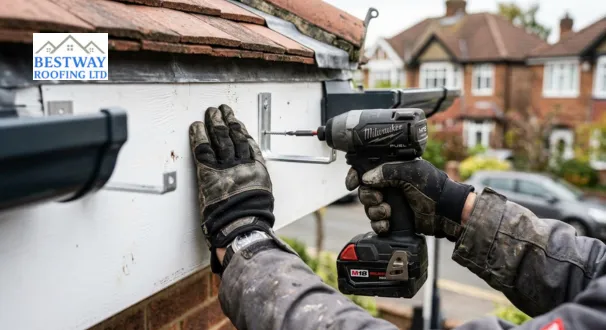
Gutter problems never stay small. That tiny drip you noticed last week? It can quietly rot your woodwork, damage your walls, and even crack your foundations. Before you know it, a quick £500 job turns into thousands of pounds worth of repairs.
This is why knowing your gutter replacement cost matters. It is not just about saving money. It is about protecting your home before things get worse.
In the UK, prices change a lot. One homeowner might pay £500. Another might pay over £1,500. The difference comes down to your house size, the materials you pick, and how easy your roof is to reach. Sadly, most people never find out why they were charged so much until it is too late.
In this article, I’ll show you what gutter replacement really costs, why quotes differ so much, and how to get a fair estimate for your own home.
How Much Does Gutter Replacement Cost?
The cost of gutter replacement in the UK typically ranges from £450 to £1,600 for a complete residential system, depending on your property size, chosen material, and access requirements. Most homeowners with a standard semi-detached house pay around £1,000 to £1,600 for a full uPVC supply-and-fit installation.
For budgeting purposes, expect to pay £30 to £70 per metre for professional supply and installation of standard uPVC guttering. This price normally includes gutter lengths, brackets, joints, downpipes, fixings, labour, and waste removal.
Quick Cost Overview by Property Size:
| Property Type | Guttering Length | uPVC Cost Range | Aluminium Cost Range |
|---|---|---|---|
| Two-bed terrace | 12–15 metres | £400–£650 | £700–£1,100 |
| Semi-detached house | 18–22 metres | £600–£1,000 | £1,000–£1,600 |
| Four-bed detached | 25–35 metres | £900–£1,500 | £1,400–£2,400 |
| Bungalow | 20–28 metres | £500–£900 | £900–£1,500 |
Gutter Replacement Costs by Property Type
Terraced House
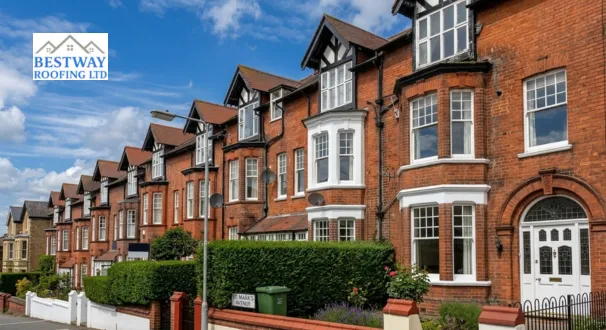
Terraced properties typically need less guttering than detached homes, so guttering replacement costs are usually lower. However, if you share a guttering system with your neighbour, you may need to match existing materials, which can push costs toward the higher end if they have metal guttering.
Detached Properties
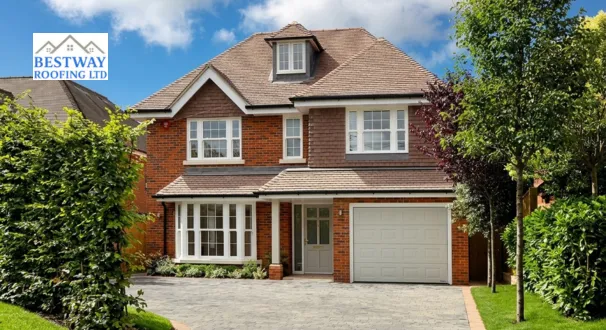
Larger homes require more linear metres of guttering, more downpipes, and often more complex roofline access. A four-bedroom detached house usually needs 25–35 metres of guttering, with total costs starting around £900 for uPVC.
Commercial Buildings
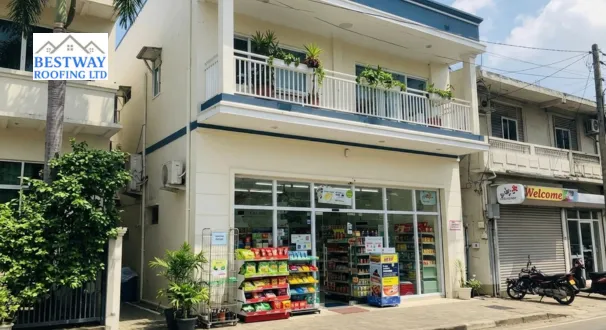
Commercial properties often use deeper-flow or industrial-grade guttering systems designed to handle larger roof areas. Guttering replacement on commercial buildings typically costs £45 to £95 per metre, depending on whether you choose commercial-grade uPVC, steel, or aluminium systems. Access equipment for multi-storey commercial buildings can add £400–£800 per elevation.
Bungalows
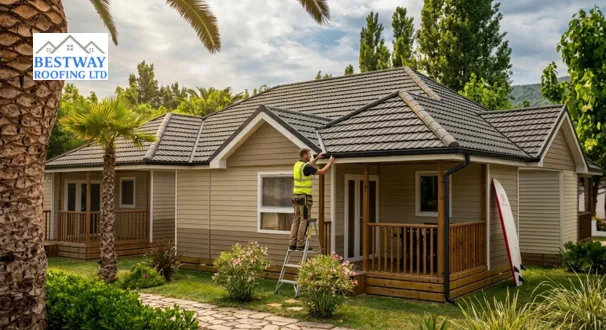
Single-storey properties generally cost less because installers can work from ladders rather than scaffolding. However, bungalows often have more complex roof designs with multiple valleys, which can increase the total metres required.
Gutter Installation Labour Costs
Labour typically accounts for roughly 40–50% of your total gutter replacement cost. Understanding how tradespeople charge helps you evaluate quotes fairly.
Typical Labour Rates:
- Per hour: £20–£40 per hour for guttering specialists
- Per metre: £10–£15 per metre for standard installations
- Per day: £200–£350 per day for experienced roofline contractors
Jobs usually take 5–6 hours for a standard semi-detached house, or a full day if fascia boards need attention.
Factors that increase labour costs:
- Height and access: Third-floor gutters or restricted access properties
- Roof complexity: Multiple corners, valleys, or unusual pitches
- Old system removal: Stripping out heavy cast iron takes longer than removing uPVC
What Affects the Cost of Replacing Guttering?
Beyond the main gutter run, several components can affect your final price. Understanding these helps you ask the right questions when requesting quotes.
Rainwater Downpipes
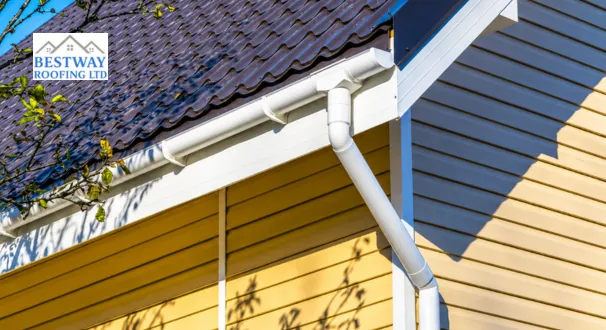
Most guttering systems need vertical downpipes to carry water from the roof to ground drainage. Replacing these alongside your gutters is usually the most cost-effective approach, since the installer is already on-site and scaffolding is already in place. Waiting until later means paying for access equipment twice.
Scaffolding
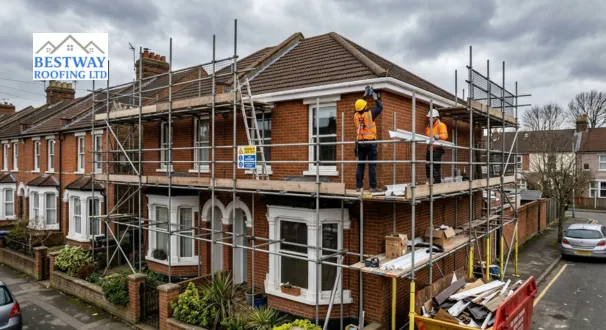
Roofing contractors usually arrange scaffolding for two-storey and taller properties to ensure safe working at height. It provides a stable platform for installers and protects your property from accidental damage.
Tower scaffolding can serve as a cheaper alternative for shorter runs or single elevations. Most bungalows and single-storey extensions don’t require scaffolding at all, since installers can work safely from ladders.
Gutter Guards and Leaf Protection
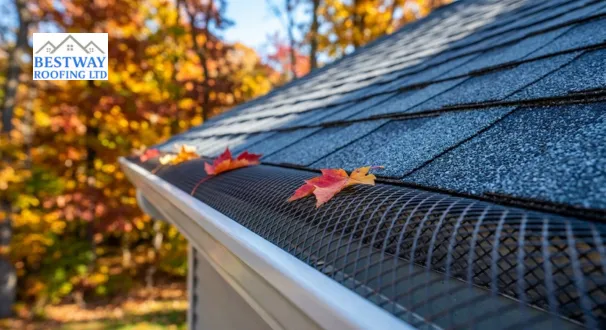
Installing protection during your gutter replacement prevents future blockages from leaves, moss, and debris. This is especially valuable if your property sits near trees or in areas with heavy foliage.
Basic guards sit over the gutter channel, while foam inserts fill the space to block debris while letting water through. Downpipe screens catch material before it enters the drainage system. Adding these during replacement avoids separate call-out charges later.
Fascia and Soffit Replacement
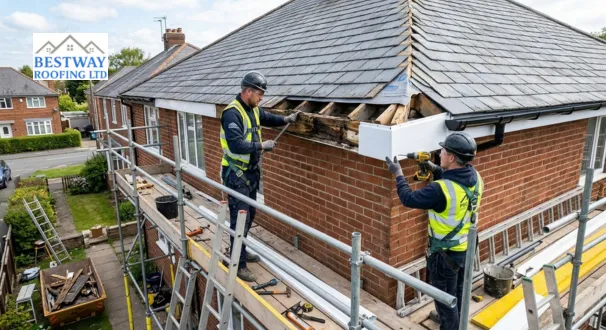
If your fascia boards are rotten or weakened, you must address them before installing new gutters. Gutter brackets fixed to compromised wood will pull away within months, causing sagging, leaks, and potential wall damage.
Replacing fascias and soffits alongside guttering is almost always the smarter financial move. You pay for scaffolding once rather than twice, and the entire roofline ages together, giving you a uniform finish and consistent lifespan.
⚠ Warning Signs That You May Need to Replace Guttering
If you notice these signs, contact a professional roofer for an assessment. Addressing issues promptly prevents gutter replacement costs from escalating due to secondary damage.
Final Thoughts
Understanding gutter replacement cost empowers you to budget accurately and choose the right solution for your property. Whether you need guttering services in Chelmsford or elsewhere in the UK, focus on getting detailed, itemised quotes from insured specialists who thoroughly inspect your fascia condition.
Remember: the cheapest quote rarely offers the best value. Investing in proper installation and quality materials protects your home from water damage for decades.
Frequently Asked Questions
Q. Is it cheaper to repair or replace gutters?
Minor issues like loose brackets or small cracks can be repaired economically. However, if your gutters are 20+ years old with widespread damage, gutter replacement usually offers better long-term value than repeated repairs.
Q. Do I need scaffolding to replace guttering?
Most two-storey and all three-storey properties require scaffolding for safe access. Single-storey homes and bungalows usually need only ladders.
Q. Can I replace gutters without replacing fascias?
Yes, you can if your fascias are in good condition. However, rotten fascias must be replaced first. Otherwise, new gutter brackets will pull away.
Q. Does building insurance cover gutter replacement?
Insurance covers sudden damage from storms or falling trees, but not gradual deterioration from age or neglect. Regular maintenance is the homeowner’s responsibility.
Q. What’s the best time of year for gutter replacement?
Late spring and early autumn offer ideal conditions, dry weather for sealants to cure and mild temperatures for efficient working.
