Your roof works harder than almost any other part of your home, taking the brunt of Chelmsford’s weather all year round, yet it’s often the last thing homeowners think to check until something goes wrong. A small leak or a few loose tiles can quickly turn into a costly repair if left unnoticed.
So, how often should Chelmsford homeowners get a roof inspection? The short answer: at least once a year, with twice a year (autumn and spring) recommended for older properties or flat roofs that take more of a beating from the weather.
In this guide, we’ll break down exactly what affects that timeline, what happens during an inspection, and why regular inspections matter.
What Affects the Timeline of Roof Inspection?
While once a year is a good general baseline, several factors can mean your roof needs checking more often. Here’s what to keep in mind when working out the right schedule for your property.
Roof Age
Older roofs are more prone to wear, with materials becoming brittle, seals weakening, and small issues developing more easily over time. If your roof is over 15-20 years old, more frequent inspections help catch small problems, such as worn flashing or deteriorating tiles, before they become major repairs or lead to leaks.
If you’re unsure how your roof’s age stacks up, our guide to how long a roof typically lasts can help you gauge whether you’re approaching that point.
Roof Type
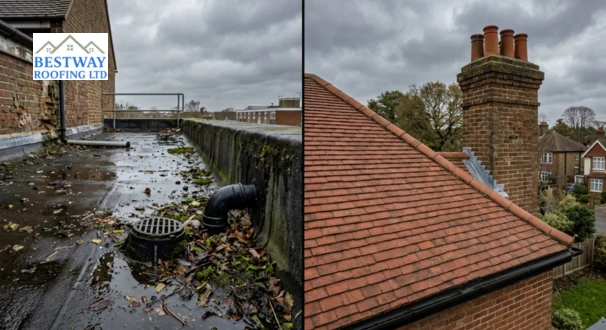
Flat roofs typically require more frequent attention than pitched roofs due to their greater exposure to standing water and debris-flow buildup. Without the natural runoff a pitched roof provides, water can sit on the surface longer, gradually wearing down the membrane. If you have a flat roof, checking it two to three times a year, particularly after storms or heavy rainfall, is worth considering to catch pooling or membrane wear early.
Surrounding Trees and Vegetation
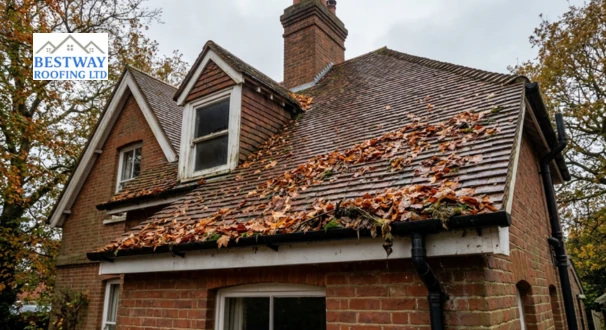
If your property has overhanging trees, leaves and branches can collect on the roof and in gutters, leading to blockages and moss growth. This trapped debris holds moisture against the roof surface, which can accelerate wear over time. Homes in tree-lined areas of Chelmsford, particularly those near mature trees or wooded areas, may need more regular clearing and inspection to stay ahead of this.
Recent Weather Events
After any major storm, high winds, or heavy snowfall, it’s worth having your roof checked even if it’s not due for a scheduled inspection. Severe weather can dislodge tiles, damage flashing, or create small cracks that aren’t visible from the ground, and these issues can worsen quickly if left unaddressed, particularly if more bad weather follows shortly after.
Signs Your Roof Needs an Inspection Sooner
Even with a regular inspection schedule, certain warning signs mean you shouldn’t wait:
- Damp patches or staining on ceilings or walls (if you’re spotting these, here’s how to find a roof leak before it gets worse)
- Missing, cracked, or slipped tiles are visible from the ground
- Sagging areas on a flat roof
- Blocked or overflowing gutters
- Daylight visible through the roof from inside the loft
- A noticeable increase in energy bills, which can sometimes point to poor roof insulation or ventilation
If you notice any of these, it’s best to get a professional assessment rather than wait for your next scheduled check.
What Happens During a Roof Inspection?
A thorough roof inspection typically covers the condition of tiles, flashing, and seals, checking for cracks, slippage, or wear that could allow water to enter. It also includes the condition of gutters and downpipes, ensuring they’re clear and draining properly, as well as any signs of moss, algae, or debris buildup that can trap moisture against the roof surface. Any visible cracks, gaps, or general wear in the roofing materials are noted, and where accessible, the roof structure is checked from inside the loft for signs of damp, daylight gaps, or sagging timbers.
As experienced roofers in Chelmsford, we’ll usually provide a summary of any issues found, along with recommendations for repairs or maintenance, so you know exactly what (if anything) needs attention and how urgent it is.
Why Regular Inspections Matter?
Catching small issues early, like a cracked tile or a minor leak, can prevent much larger and more expensive problems down the line, such as structural damage, rotting timbers, or interior water damage that affects ceilings, walls, and insulation. What might cost a small repair fee if caught early can quickly escalate into thousands of pounds in repairs if left to develop over months or years.
Regular inspections also help extend the lifespan of your roof, since small issues addressed promptly reduce cumulative wear that shortens a roof’s service life. This means better long-term value from your investment, fewer unexpected repair bills, and greater peace of mind knowing your home is properly protected against whatever Chelmsford’s weather throws at it.
Conclusion
For most Chelmsford homeowners, an annual roof inspection is a sensible baseline, with additional checks after major storms or for older and flat roofs. Staying on top of inspections doesn’t just protect your roof; it protects your home.
If it’s been a while since your roof was last checked, or you’ve noticed any warning signs, we at Bestway Roofing Ltd can carry out a thorough inspection and let you know exactly where things stand. Get in touch with us today to book your roof inspection.
FAQs
Q. How much does a professional roof inspection cost?
Costs vary depending on the size and type of roof, as well as its accessibility, but most inspections are a relatively small expense compared to the cost of repairing storm damage or a leak that’s gone unnoticed.
Q. Will a roof inspection affect my home insurance?
Some insurers may ask for proof of regular roof maintenance, particularly for older properties, so having a record of inspections can actually help if you ever need to make a claim.
Q. Is it safe to check my roof myself after a storm?
Climbing onto a roof or using a ladder to get a closer look isn’t recommended without the right safety equipment and experience. A visual check from ground level is fine, but for anything beyond that, it’s best to call a professional.
