
In short
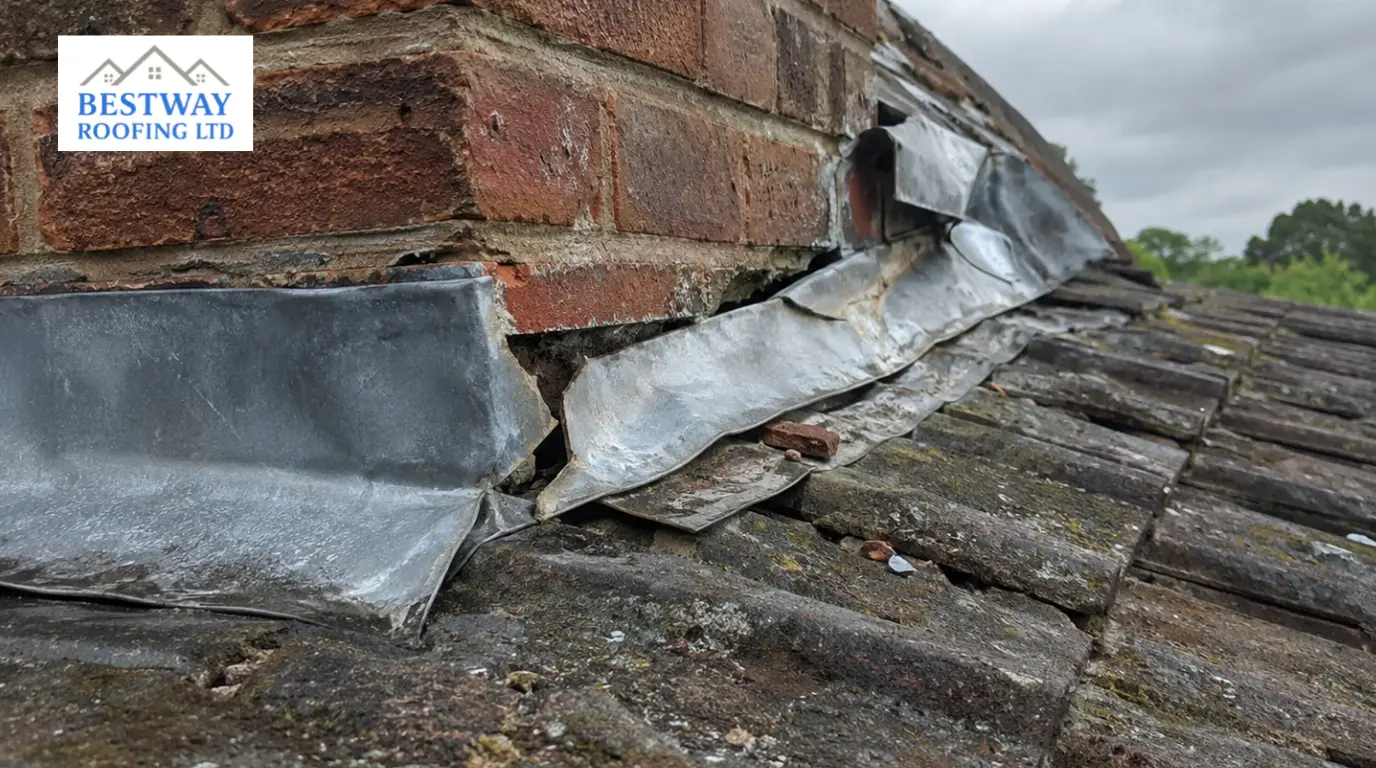
Wind, driven rain and hail can lift or crack roof flashing around chimneys, valleys and skylights without leaving any obvious sign from the ground. Once that seal breaks, water can travel along rafters and insulation for days or weeks before it shows up as a stain on a ceiling.
Check the trouble spots below within a few days of any serious storm, and book a professional inspection if you spot bent, lifted or missing flashing.
Storms are one of the biggest threats a UK roof faces every year. Strong winds, heavy rain and hail take a toll on tiles and gutters, but the area homeowners consistently overlook is roof flashing. Missing tiles or damaged guttering tend to get noticed right away; flashing damage is far less obvious, and far more likely to end up as a serious leak before anyone catches it.
This guide covers what roof flashing actually does, how storms damage it, the warning signs to check for afterwards, what your insurance is likely to cover, and the steps to take to protect your home.
How Storms Cause Flashing Damage
Storms bring several forces at once, and flashing is exposed to all of them:
Understanding these forces is exactly why homeowners often turn to professional roofers in Chelmsford for a proper post-storm assessment, since spotting this kind of damage takes a trained eye:
High winds
Strong gusts can lift the edges of flashing away from the roof surface, bending it out of shape or tearing it loose entirely. Once flashing is lifted even slightly, its watertight seal is compromised.
Wind-driven rain
Ordinary rain falls straight down and is usually shed effectively by well-installed flashing. But storm conditions often push rain sideways or even upward under roof edges, forcing water into gaps that wouldn’t normally be exposed.
Hail and flying debris
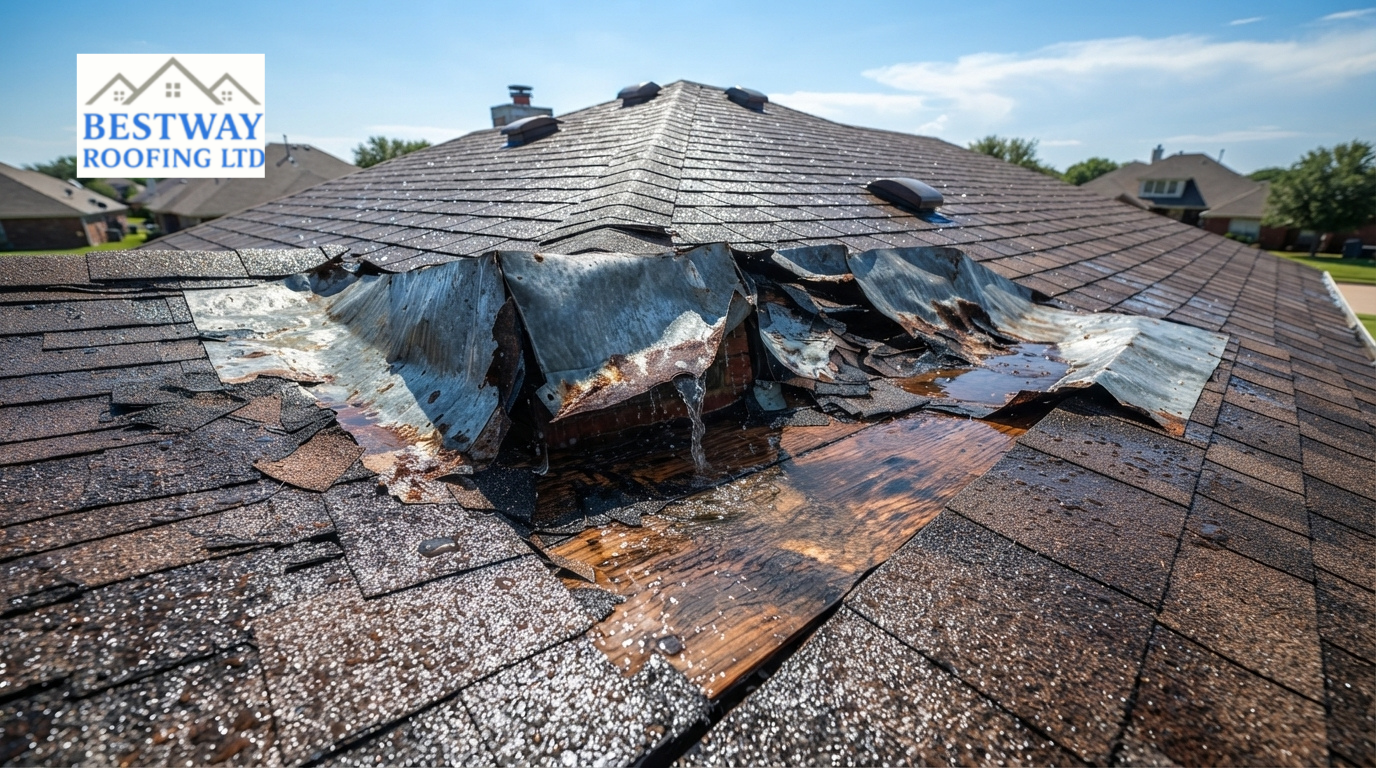
Hailstones, branches, and other storm debris can directly dent, crack, or puncture flashing, creating openings for water to enter.
Temperature fluctuations after a storm
Rapid temperature swings following a storm can cause flashing materials to expand and contract. If the flashing has already been loosened, this movement can widen small gaps over time, turning a minor issue into a persistent leak.
The difficulty is that this kind of damage often isn’t visible from the ground. A roof can look completely fine after a storm while still hiding lifted edges, hairline cracks or small gaps that only a closer inspection would catch.
Why Damaged Flashing Leads to Leaks
Once flashing loses its seal, there’s a direct path for water to enter the roof structure, and this is where most storm-related leaks actually begin. Flashing is designed to be the final barrier at your roof’s most vulnerable points, so even a small break in that seal removes the protection the rest of your roof depends on.
Water Movement Within the Roof
What makes flashing-related leaks especially tricky is that they’re rarely visible right away. Once water gets past a damaged seal, it doesn’t simply drip straight down onto a ceiling. Instead, it often travels along rafters, follows the underside of roofing felt or membrane, or soaks into loft insulation before it finally finds its way to a surface you can see. This means a leak can be actively forming for days or even weeks before any sign of it appears indoors.
A Delayed Warning Sign
This lag between the storm and the visible damage is one of the main reasons flashing problems go unnoticed for so long. A homeowner might check their roof right after a storm, see nothing obviously wrong, and assume everything is fine, not realising that water has already started working its way into the structure. By the time a stain appears on a ceiling or a damp patch shows up on a wall, the moisture has usually been present for some time already, which is why flashing-related leaks often seem to “appear out of nowhere.”
Common Trouble Spots
Not all areas of flashing are equally at risk. Certain points on a roof see more water volume or more structural movement, making them more prone to failure:
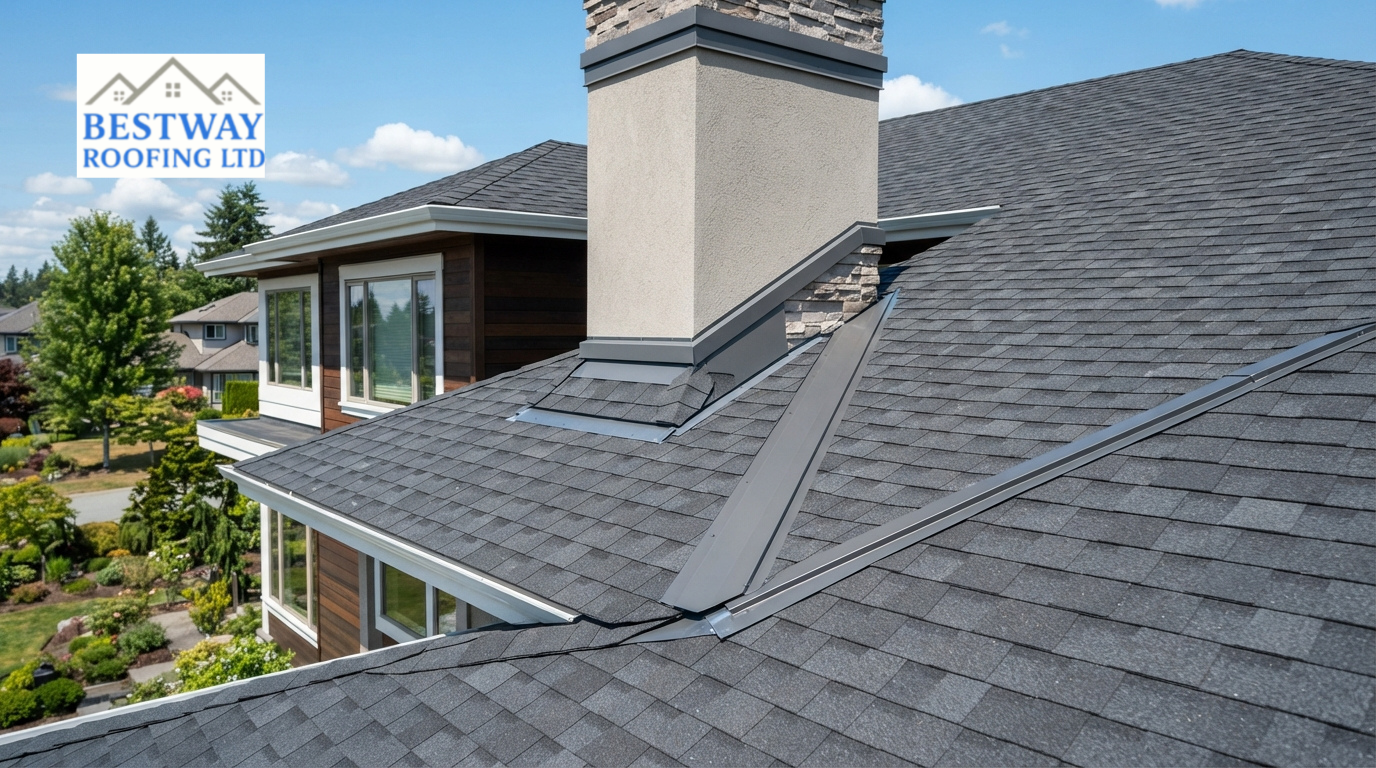
- Chimney bases: flashing here has to create a seal between metal and brickwork, two materials that expand and contract differently, making the joint naturally more prone to loosening over time.
- Roof valleys: these channel large volumes of rainwater during storms, so any gap in the flashing is exposed to far more water pressure than flatter areas of the roof.
- Skylights and roof windows: the flashing here seals against a frame rather than a continuous roof surface, creating more edges and corners where water can get in.
Because these areas handle more water or more movement than the rest of the roof, they’re usually the first places where a leak develops after storm damage on the roof and the first places worth checking during an inspection.
Flashing Materials Compared
Not all flashing performs the same in UK weather. Here’s roughly how the common materials stack up:
| Material | Typical lifespan | Storm resistance | Best suited to |
|---|---|---|---|
| Lead | 50+ years | Excellent — shapes to movement without cracking | Chimneys, period properties |
| Zinc | 30–40 years | Very good, low corrosion | Valleys, modern builds |
| Aluminium | 20–40 years | Good, but can dent under hail | Standard residential roofs |
| Galvanised steel | ~20 years | Fair — prone to rust once coating wears | Budget installs, sheltered roofs |
Lifespans assume correct installation. Coastal or highly exposed roofs will wear faster on any material, and most failures we see in practice trace back to installation shortcuts rather than the material itself.
What Are the Warning Signs of Damaged Flashing?
After any significant storm, it’s worth checking for these signs, especially around the trouble spots mentioned above, such as chimney bases, valleys, and skylights:
- Flashing that looks visibly bent, lifted, or is missing sections
- Water stains or discolouration on ceilings and walls, particularly near chimneys or valleys
- A damp, musty smell in the loft space
- Metal debris or granules collecting in your gutters near flashing points
- Any drips or damp patches appearing shortly after heavy rain
If you notice any of these, it’s a strong indication that your flashing needs attention. Give us a call today and get your roof flashing inspection today.
How to Protect Roof After a Storm?
Knowing the right prevention tips for your roof after a Storm can save you from costly repairs down the line. Here’s what you should do to keep your roof protected once the storm has passed:
- Do a safe visual check from ground level, look for obviously bent or missing flashing, and check gutters for debris.
- Never climb onto the roof yourself, especially in the aftermath of a storm when conditions can still be hazardous.
- Watch for the warning signs listed above over the following days and weeks, not just immediately after the storm.
- Arrange a professional inspection if you notice any signs of damage, or simply want peace of mind.
Flashing damage can be tricky to spot on your own, and given how much it can cost you if a leak goes unnoticed, it’s often worth having a trained eye take a closer look. This is where having expert roofers in Chelmsford on hand makes a real difference. At Bestway Roofing – Chelmsford Roofing, we provide a full range of roofing services, including roof repairs, storm damage assessments, and flashing repairs, inspecting all the vulnerable points of your roof: chimneys, valleys, skylights, and wall junctions to catch issues before they turn into leaks.
Had a storm come through recently?
Storm damage often affects roof flashing before any visible leak appears. Bestway Roofing – Chelmsford Roofing inspects chimneys, valleys, skylights and wall junctions throughout Chelmsford, Great Baddow, Danbury and Moulsham to identify damaged flashing and prevent costly water ingress.
Conclusion
Storm damage on roof flashing is easy to miss but can lead to significant leaks and structural issues if left unaddressed. Regular post-storm checks, paired with a professional inspection when needed, are the best way to protect your home from hidden water damage. Flashing may be small, but its role in keeping your roof watertight is one of the most important and most overlooked parts of the entire system.
FAQs
How do I know if my roof flashing has been damaged by a storm?
Look for bent, lifted, or missing flashing, water stains near chimneys or valleys, or a musty smell in the loft. Any of these signs mean it’s worth getting an inspection.
Can I repair damaged flashing myself?
It’s not recommended. Flashing repairs involve roof access and precise sealing, so it’s safer and more reliable to leave it to a professional roofer.
How often should I check my roof flashing?
Check it after any major storm, plus during a routine roof inspection at least once a year, especially if your flashing is older.
Do you offer storm damage on roof inspections in Chelmsford?
Yes. Bestway Roofing – Chelmsford Roofing conducts thorough storm damage assessments throughout Chelmsford, inspecting chimneys, valleys, skylights, and wall junctions.

Pingback: Roof Maintenance Checklist for Chelmsford Homeowners (2026)