
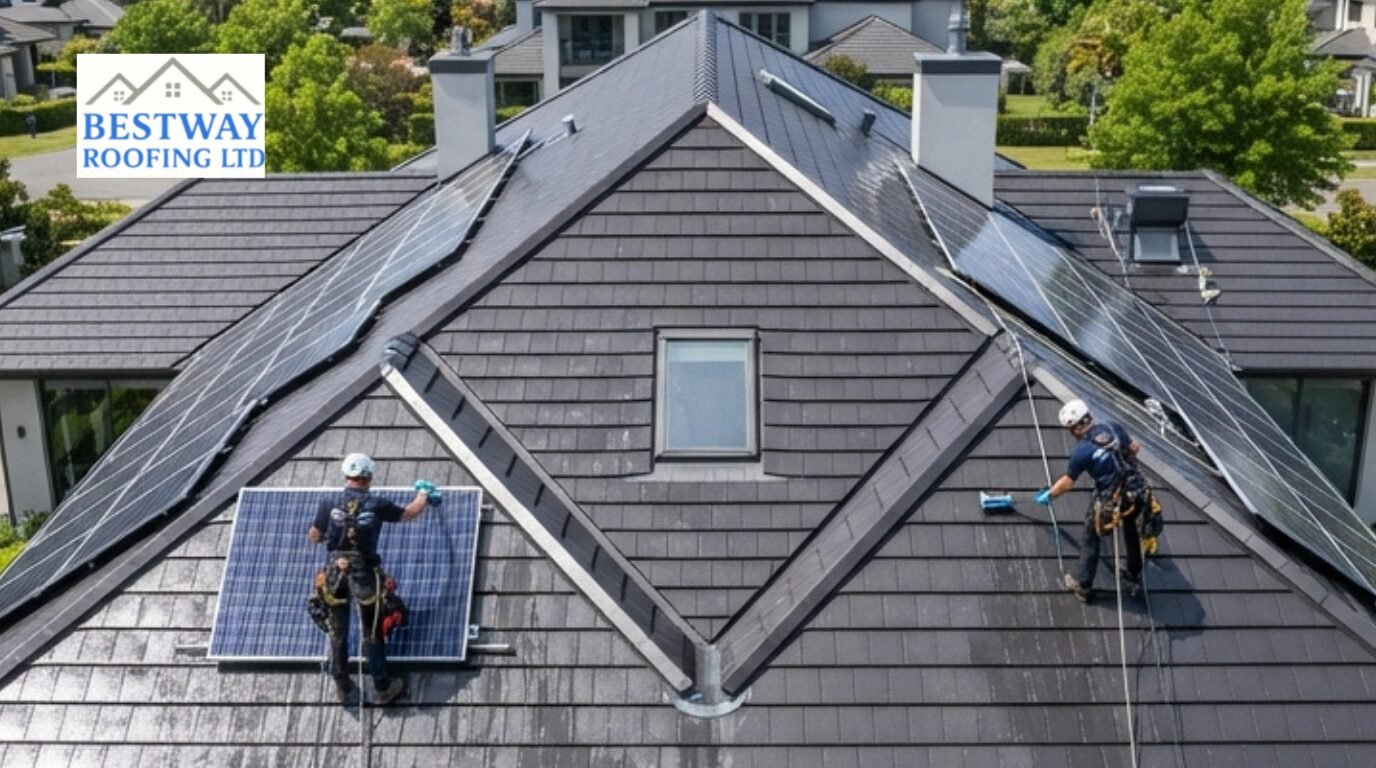
If you own a home in Chelmsford, keeping your roof in good condition isn’t just about avoiding leaks; it’s about protecting your biggest investment. Essex weather brings its own mix of challenges, from heavy autumn rain to strong winter winds, and without a proper roof maintenance checklist, small issues can quickly turn into expensive repairs.
This guide walks Chelmsford homeowners through exactly what to check, when to check it, and when it’s time to call in a professional. Whether you’re maintaining a traditional pitched roof or a flat roof extension, this checklist will help you stay ahead of problems before they start.
Why Roof Maintenance Matters for Chelmsford Homes
Chelmsford’s cold, wet winters and increasingly unpredictable summer storms put real pressure on roofing materials over time. Regular roofing maintenance in Chelmsford helps homeowners catch minor issues, such as a loose tile or a small crack, before they turn into structural problems. It also helps avoid costly emergency repairs after storms, keeps home insurance valid since many policies require proof of reasonable upkeep, and maintains energy efficiency by keeping insulation and ventilation working properly.
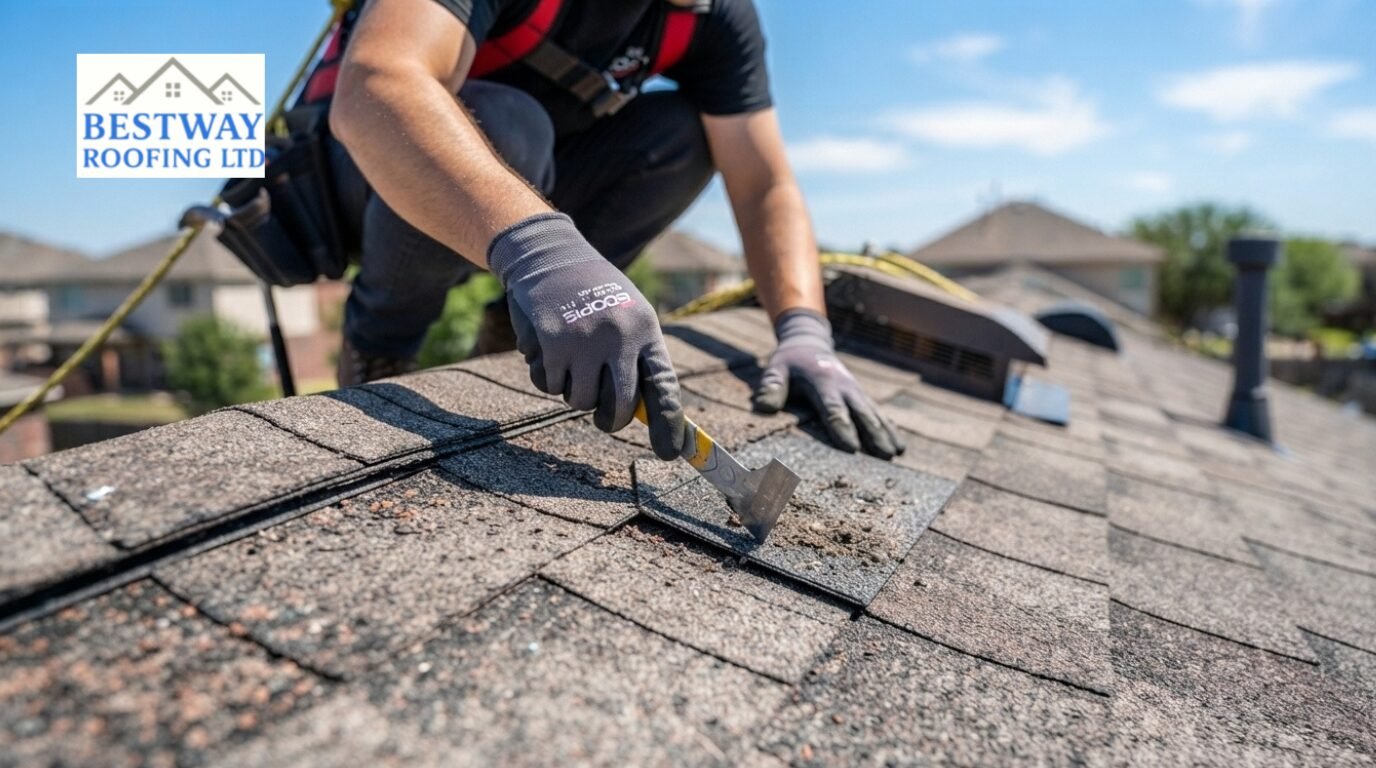
Skipping regular checks doesn’t just risk your roof; it risks your ceilings, walls, and even your home’s resale value.
Benefits of Regular Roof Maintenance
Staying on top of a roof maintenance checklist pays off in several ways.
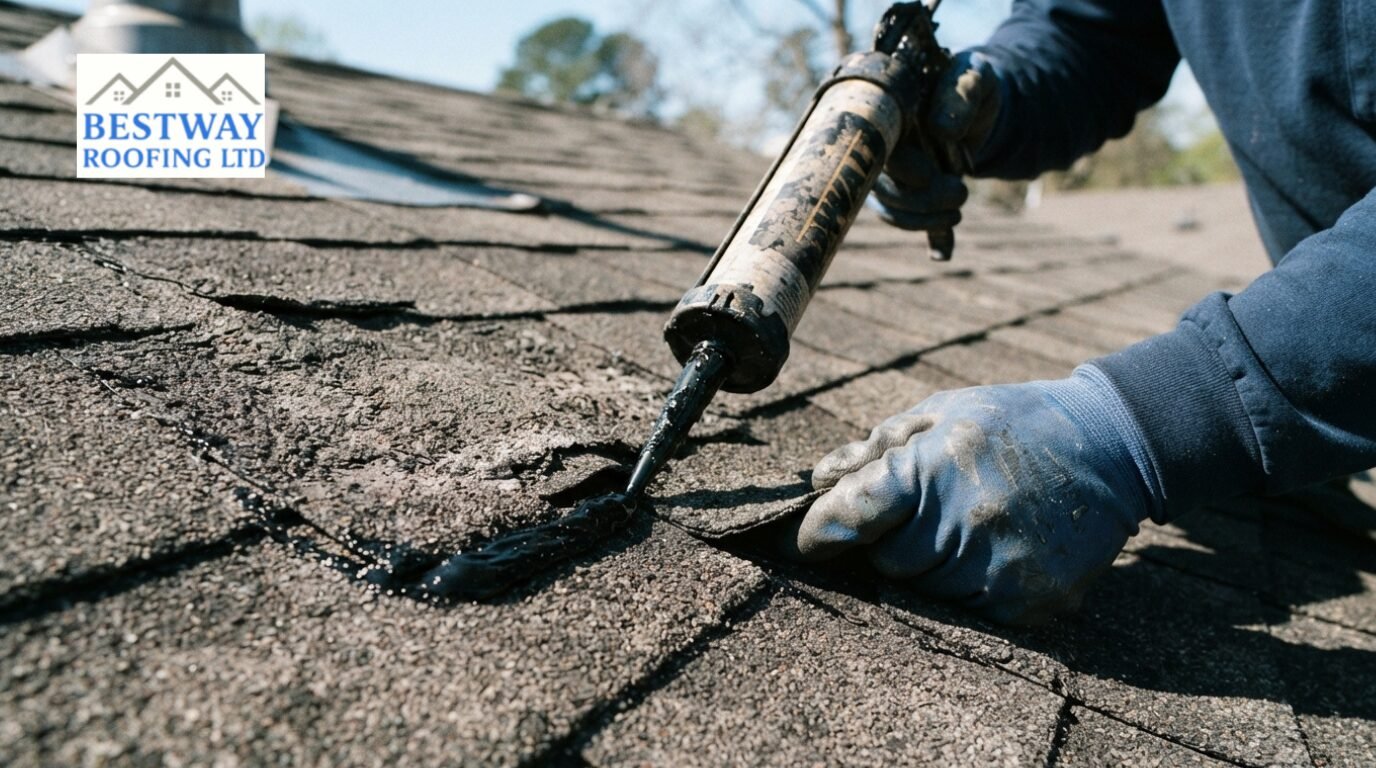
Extends Roof Lifespan
Catching small problems early prevents them from turning into bigger structural damage, helping your roof last significantly longer.
Lowers Repair Costs
Routine maintenance is far cheaper than emergency callouts, especially when issues are caught before they escalate into major repairs.
Supports Insurance Claims
Keeping dated photos or a simple maintenance log can help support future insurance claims, since many policies require proof of reasonable upkeep.
Improves Energy Efficiency
A well-maintained roof keeps insulation and ventilation working as intended, which helps lower heating costs over time.
Seasonal Roof Maintenance Checklist
A good roof maintenance checklist changes with the seasons, and Chelmsford homeowners should adjust their focus throughout the year to match what their roof actually faces in each stretch of weather.
Spring
Spring is the right time to assess how your roof held up over winter. Cold temperatures, frost, and heavy rain can loosen tiles, weaken sealants, and create small cracks that aren’t obvious at first glance. It’s worth walking around the property and looking up for any tiles that seem displaced, cracked, or missing after winter storms and strong winds. This is also a good opportunity to clear away any debris, such as broken branches or leftover leaves, that built up over the colder months and may still be sitting in gutters or valleys. Catching this early means smaller repairs now instead of bigger ones once summer rain returns.
Summer
Warmer, drier weather makes summer the most practical season for maintenance tasks that involve some hands-on work. This is the ideal time to thoroughly clean out gutters and downpipes before the heavier autumn rain arrives, since blocked gutters are among the most common causes of water damage to fascias and walls. It’s also worth trimming back any overhanging tree branches near the roofline, as they can scrape against tiles, deposit debris, or even cause damage during storms later in the year. Checking attic ventilation is equally important in summer, since poor airflow can trap heat and moisture, which, over time, affect both roof materials and insulation performance.
Autumn
As autumn sets in, falling leaves become a main concern for Chelmsford homeowners, especially those with nearby trees. Clearing leaves and debris from gutters regularly during this season helps prevent blockages before winter rain sets in, when clogged gutters are far harder to deal with. Autumn is also a sensible time to inspect chimney flashing and seals, since these areas are common weak points where leaks tend to start once the weather turns wetter and colder. Checking loft insulation ahead of the colder months is worth doing too, as this is often when homeowners first notice draughts or damp patches that had gone unnoticed during summer.
Winter
Winter is when most existing roofing problems tend to make themselves known, so this season is more about close observation than active maintenance. It’s important to pay attention to any leaks or damp patches appearing inside the home, since freezing and thawing cycles often force water into small cracks that were manageable before. Checking for ice-related damage after particularly cold spells is also worthwhile, as ice can expand cracks in tiles or flashing that were only minor issues in autumn. Flat roof areas deserve extra attention during winter, since standing water and ice can pool more easily on these surfaces, increasing the risk of leaks compared to pitched roofs.
Common Roofing Problems in Chelmsford Homes
Certain issues come up more often in this area due to local weather and housing styles, and Chelmsford roofing contractors regularly see the following problems:
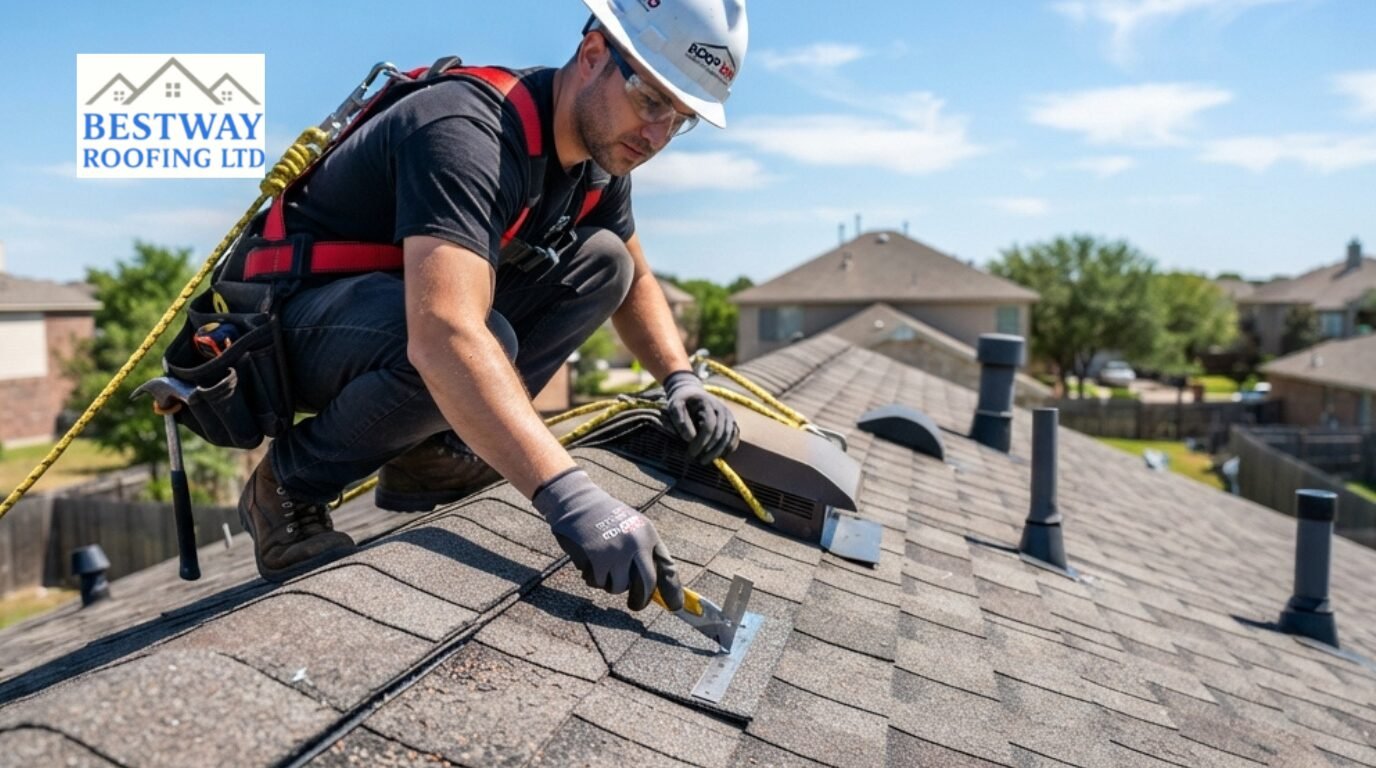
- Tile slippage caused by strong winds, particularly common on older pitched roofs
- Flat roof problems including water pooling and worn sealant on extensions and garages
- Gutter blockages, especially common during autumn leaf fall from nearby trees
- Chimney and flashing wear often the very first place leaks tend to start
DIY Roof Checks Homeowners Can Do
You don’t need to climb onto the roof to catch most problems early; many can be spotted with a careful look from both inside and outside the home.
Interior Checks
- Ceiling stains or discolouration
- A musty or damp smell in the loft
- Peeling paint near ceilings and upper walls
Note: Leaks don’t always show up directly beneath the damaged area; water can travel sideways along rafters before it appears as a stain, so a mark on your ceiling doesn’t always point straight up to the problem spot.
Exterior Checks (From the Ground)
Using binoculars or simply looking up from the garden, check for:
- Missing, cracked, or slipped tiles
- Moss or algae buildup (especially on north-facing slopes)
- Sagging or damaged guttering
- Flashing pulling away around chimneys or vents
- Overhanging branches that could scrape or damage the roof surface
If you’d like a more detailed, step-by-step approach to fixing minor felt damage from inside your loft, take a look at our guide to repairing roof felt from the inside.
When to Call a Professional Roofer in Chelmsford
Some issues are safe for homeowners to spot but not to fix. It’s time to call in a professional if you notice sagging areas on the roof or ceiling, multiple missing or damaged tiles, persistent leaks or damp patches, or damaged flashing around chimneys or skylights. It’s also worth booking a professional roof inspection once or twice a year, even if nothing looks obviously wrong. Roofers can spot early wear that’s hard to see from the ground, and roof work at height carries real safety risks that are best left to trained professionals.
As trusted roofers in Chelmsford, Bestway Roofing provides roof repair services throughout the area. We’ve helped Chelmsford homeowners keep their roofs in top condition for years, offering thorough inspections and honest advice, not unnecessary repairs. Whether you need a one-off inspection or want to set up a regular maintenance check, our local team knows the specific challenges Chelmsford roofs face.
Contact us today for a free roof inspection and personalised maintenance advice.
Conclusion
Keeping on top of roof maintenance doesn’t have to be complicated; it just has to be consistent. By following this seasonal roof maintenance checklist, regularly checking both the inside and outside of your home, and knowing when a job is best left to a professional, Chelmsford homeowners can avoid the small problems that quietly turn into expensive repairs.
A roof that’s properly maintained doesn’t just protect your home from the weather; it also protects your energy bills, your insurance cover, and the long-term value of your property. Whether you’re due for a seasonal check or it’s been a while since your last inspection, there’s no better time to start than now.
How often should I get my roof inspected?
Most roofing professionals recommend inspecting your roof at least once or twice a year, ideally in spring and autumn, plus after any major storms.
Can I do roof maintenance myself?
Many checks, like clearing gutters or spotting damage from the ground, are safe for homeowners to do. However, anything involving climbing onto the roof or fixing structural issues should be left to a professional.
What are signs my roof needs repair?
Watch for missing or cracked tiles, sagging areas, damp patches on ceilings, and damaged flashing around chimneys or vents.
Does home insurance cover roof maintenance?
Home insurance typically covers sudden damage (such as storm damage) rather than general wear and tear from neglect. Keeping records of regular upkeep can help support any future claims.