
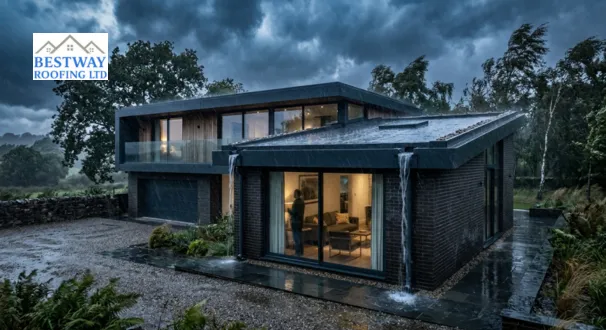
If you own a home in Chelmsford or anywhere in Essex, you’ve likely got at least one flat roof, whether it’s over a garage, a kitchen extension, or a modern dormer. Sooner or later, every homeowner asks the same question: how long does a flat roof last?
The honest answer is 10 to 50 years. It all depends on the materials, the quality of the installation, and how well the roof is looked after. Essex weather, with its rain, wind, frost and occasional summer heat, puts flat roofs under more pressure than pitched ones. Understanding what to expect helps you plan ahead, spot issues early, and avoid costly emergency repairs.
What Is a Flat Roof?
Before diving into lifespans, it helps to clarify exactly what a flat roof is. Despite the name, no flat roof is truly level. Every professionally installed flat roof has a slight pitch, usually between 1 and 10 degrees, to allow rainwater to drain toward gutters or outlets.
Flat roofs are common on extensions, dormers, porches, garages, and commercial buildings. In Chelmsford, you will see them everywhere, from 1960s semi-detached homes with rear additions to new-build properties with contemporary design features. They offer clean lines, extra headroom, and practical outdoor space, but they also face unique challenges because water does not run off as quickly as it does on a pitched roof.
How Long Does a Flat Roof Last in the UK?
So, how long does a roof last UK homeowners can realistically expect? For flat roofs specifically, the range is broad. A cheap, poorly installed felt roof might last a decade before it starts letting water through. A premium EPDM rubber system fitted by skilled roofers could still be watertight in 40 years’ time.
Below is a clear breakdown of the most common flat roofing materials and their expected lifespans when installed correctly and maintained properly.
Traditional Felt Roofing (10 to 20 Years)
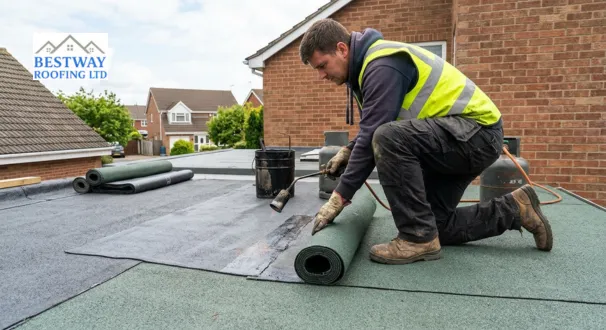
Built-up felt has been used in the UK for decades. It consists of multiple layers of bituminous material, often finished with gravel or a mineral surface. When done well, a modern torch-on felt system can last up to 20 years. Older pour-and-roll systems, however, often struggle to reach 15 years, especially if ponding water is an issue.
Felt remains popular because it is affordable and straightforward to repair. The downside is that it is more vulnerable to UV damage, cracking, and blistering than modern alternatives. If your Chelmsford home still has its original 1990s felt roof, it is probably nearing the end of its useful life.
EPDM Rubber (25 to 50 Years)
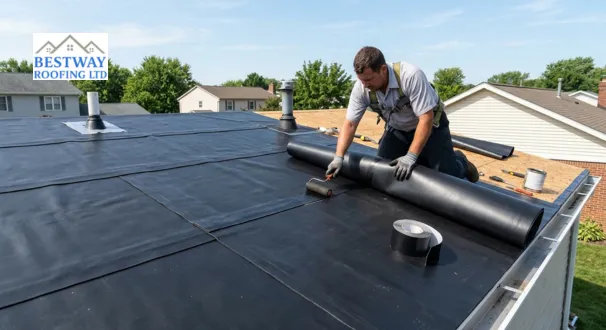
EPDM short for ethylene propylene diene terpolymer is a synthetic rubber membrane that has become one of the most trusted flat roofing materials in the UK. A properly installed EPDM roof typically lasts 25 to 40 years, and there are real-world examples of EPDM performing well past the 50-year mark.
EPDM is highly resistant to UV rays, temperature changes, and standing water. It is flexible enough to handle the expansion and contraction that comes with Essex weather, and it requires very little maintenance. Seams are usually sealed with specialist tape rather than heat welding, so installation quality matters. A rushed job with poor seam detailing can cut that lifespan in half.
GRP Fibreglass (25 to 30 Years)
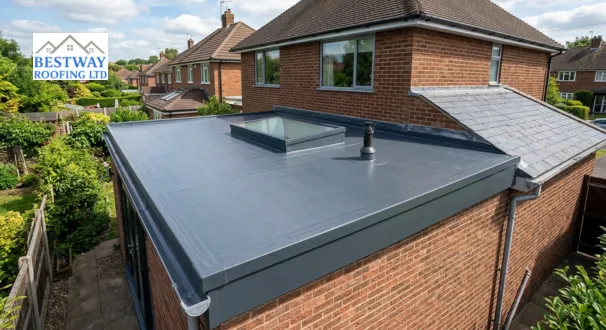
Glass Reinforced Plastic, commonly called GRP or fibreglass, creates a rigid, seamless surface that is extremely water-resistant. When installed correctly, a GRP flat roof will last 25 to 30 years. It is particularly popular for smaller domestic projects like bay window roofs, porches, and garage roofs around Chelmsford.
The seamless finish looks smart and resists cracking, but GRP has its quirks. It can become brittle over time, and it does not flex as much as rubber membranes. Installation must happen in dry conditions between 5°C and 25°C, which means British weather can sometimes delay fitting. Walk directly on it without proper protection, and you risk cracking the surface.
Single-Ply Membranes (25 to 40 Years)
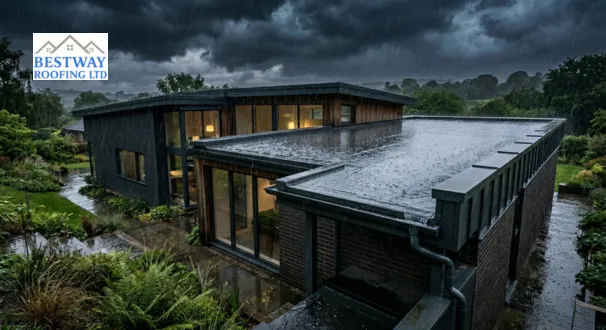
Single-ply systems such as PVC and TPO are lightweight, flexible sheets that are heat-welded at the seams. These are increasingly popular for both residential and commercial flat roofing because they offer excellent longevity, typically 25 to 40 years, with proper care.
PVC in particular is dimensionally stable, meaning it handles building movement and temperature shifts without tearing. Many premium single-ply systems come with strong manufacturer warranties and are installed only by certified contractors, which reduces the risk of fitting errors.
Built-Up Roofing (BUR) and Mastic Asphalt (20 to 30+ Years)
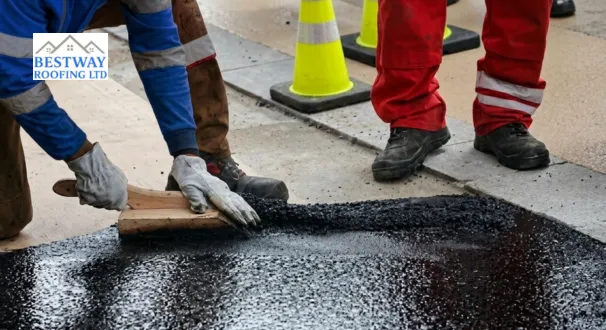
Built-up roofing uses multiple layers of bitumen and reinforcing fabric, sometimes finished with hot tar and gravel. Traditional coal-tar BUR can last 30 to 50 years, though modern asphalt-based versions usually sit closer to 20 to 30 years. Mastic asphalt, often seen on older commercial or council buildings, is exceptionally robust and can exceed 30 years, though it needs regular maintenance.
These systems are heavier and more labour-intensive to install, which makes them less common on modern domestic extensions. However, if you own a period property in Chelmsford with an original asphalt roof, it may still have decades of life left if it has been maintained.
Concrete Flat Roofs and Concrete Decks
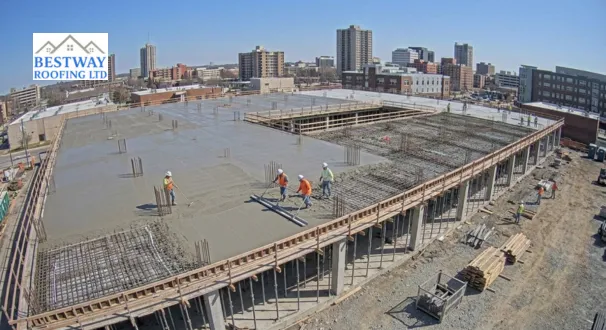
When people mention a concrete flat roof, they are usually talking about the structural deck rather than the waterproofing layer itself. Concrete is incredibly durable and can last the lifetime of the building. However, the waterproof membrane on top, whether felt, EPDM, or asphalt, still dictates the roof’s overall lifespan. If you have a concrete deck, the good news is that it provides a solid, stable base for modern systems. The bad news is that if water has been getting through for years, the concrete itself can suffer from reinforcement corrosion, which is expensive to fix.
Key Factors That Affect Flat Roof Lifespan
Material choice is only part of the story. Several practical factors determine whether your roof reaches the upper end of its lifespan or fails prematurely.
Installation Quality
Poor workmanship is the single biggest reason flat roofs fail early. Incorrect detailing around edges, pipes, and upstands; inadequate falls for drainage; and substandard materials all shorten a roof’s life. This is why choosing experienced, qualified professionals matters. Reputable roofers in Chelmsford will assess the structure, specify the right falls, and use manufacturer-approved techniques.
Drainage and Ponding Water
Flat roofs do not drain automatically. If gutters are blocked or the fall is insufficient, water pools in dips and depressions. Standing water adds weight, accelerates material breakdown, and increases leak risk. Even the best EPDM membrane will struggle if it sits under a permanent pond. Clearing gutters twice a year and checking outlets after autumn leaf fall is essential Essex maintenance.
Weather and UV Exposure
Essex might not face Scottish storms or coastal salt spray, but Chelmsford properties still deal with plenty of rain, frost, and summer sun. Repeated freeze-thaw cycles in winter cause materials to expand and contract. Summer UV rays dry out and crack older felt systems. Modern materials like EPDM and PVC are formulated to resist these effects far better than traditional felt.
Ventilation and Condensation
A flat roof needs proper ventilation just as much as a pitched one. Trapped moisture from inside the home can condense against the underside of the deck, leading to rot, mould, and insulation damage. If you are replacing an old flat roof, ask your installer whether the ventilation detail is adequate for the new system.
Maintenance Habits
Regular inspections add years to any roof. A quick visual check in spring and autumn lets you spot cracked flashing, loose edging, or blocked drains before they become leaks. Small repairs are cheap. Major water damage to timber joists and ceilings is not.
Flat Roof Guarantee UK: What You Need to Know
When you invest in a new flat roof, the flat roof guarantee that UK contractors offer should give you genuine peace of mind. There are two types of cover to understand.
Workmanship guarantee
First, the workmanship guarantee from the installer. A decent roofer should offer at least 10 years on a new flat roof. Some specialist firms offer 15 or even 20 years. This covers fitting errors and installation defects.
Manufacturer warranty
Second, the manufacturer’s warranty on the materials. EPDM and PVC manufacturers often provide 20 to 25-year product warranties, provided the membrane is installed by an accredited contractor.
Insurance-backed guarantee
Be cautious of vague promises. A reputable company should put the guarantee in writing. Even better, look for an insurance-backed guarantee (IBG). This protects you if the original installer stops trading. Without an IBG, a 10-year workmanship promise becomes worthless if the company goes bust. IBGs are especially important for flat roofing because many structural warranty providers exclude flat roofs from standard coverage.
Before signing any contract, ask: Is the guarantee insurance-backed? What exactly does it cover, just the membrane, or the full system including labour? And is it transferable if you sell your home?
Signs Your Flat Roof Needs Replacing
Age is not the only indicator. Watch for these warning signs:
- Persistent leaks or damp patches on ceilings, especially after heavy rain.
- Ponding water that does not drain within 48 hours of rainfall.
- Cracks, splits, or blistering in the surface material.
- Sagging areas that feel soft underfoot often mean the decking underneath is rotting.
- Mould or mildew inside the property near the flat roof zone.
- Repeated repairs that no longer hold. If you have patched the same spot three times, the system is failing.
If you notice any of these, arrange a professional inspection promptly. Catching problems early can mean the difference between a targeted repair and a full replacement.
Repair or Replace: Making the Right Call
If your flat roof is relatively young and the damage is localised, perhaps a torn corner or a failed flashing repair is usually the sensible route. However, if the roof is nearing the end of its expected lifespan and problems keep returning, replacement is almost always more cost-effective.
Think of it this way: spending £400 every year on patch repairs for a 20-year-old felt roof adds up quickly. Investing in a new EPDM or single-ply system gives you decades of protection and adds value to your property. For Chelmsford homeowners planning to sell, a recent flat roof with a transferable guarantee is a genuine selling point.
Practical Tips to Extend Your Flat Roof’s Lifespan
A few simple habits can add years to your roof and save you thousands:
- Clear gutters and outlets regularly. Autumn leaves are the enemy of flat roof drainage.
- Trim overhanging branches. They drop debris, block water flow, and can scrape the surface in high winds.
- Inspect after storms. High winds can lift edging strips or deposit debris that blocks drains.
- Do not walk on it unnecessarily. If you must access the roof, use walk boards to spread your weight.
- Address minor damage immediately. A small split sealed early costs very little. A leak left for six months can destroy timber and insulation.
- Keep moss and algae at bay. These hold moisture against the surface and accelerate wear.
Conclusion
Flat roofs are practical, versatile, and perfectly suited to modern Essex homes, but only if you understand what you are working with. From traditional felt at 10 to 20 years, to premium EPDM rubber pushing past 40 years, the material you choose defines your roof’s future.
For Chelmsford homeowners, the local climate, proper drainage, and regular maintenance are just as important as the membrane itself. Invest in quality materials, demand a written and insurance-backed guarantee, and do not ignore the small warning signs. Get those basics right, and your flat roof will protect your home reliably for decades.
Frequently Asked Questions
Q. What is the average lifespan of a flat roof in the UK?
Most flat roofs in the UK last between 20 and 30 years when installed and maintained properly. Traditional felt systems may only manage 10 to 15 years, while modern EPDM or single-ply membranes can reach 30 to 40 years or more.
Q. Does a flat roof need more maintenance than a pitched roof?
Yes, slightly more. Because water drains more slowly, flat roofs need clear gutters, good falls, and regular inspections to prevent ponding. However, modern materials like EPDM and PVC require very little day-to-day care compared to older felt systems.
Q. How often should I have my flat roof inspected?
At least once a year, ideally in autumn after the leaves have fallen and again in spring after winter frost. Older roofs or those beneath overhanging trees benefit from twice-yearly checks.
Q. What is the longest-lasting flat roof material for UK homes?
EPDM rubber is widely regarded as the longest-lasting option, with proven lifespans exceeding 40 to 50 years. Premium single-ply PVC systems also offer excellent longevity, often guaranteed for 20 to 25 years and lasting well beyond.
Q. Is an insurance-backed guarantee worth it for a flat roof?
Absolutely. A workmanship guarantee is only as good as the company behind it. An insurance-backed guarantee ensures you are covered for repairs even if the original installer ceases trading, which is why many mortgage lenders and structural warranty providers now require them for flat roofing work.

Pingback: Chelmsford Roof Inspection Explained: How Often to Check