
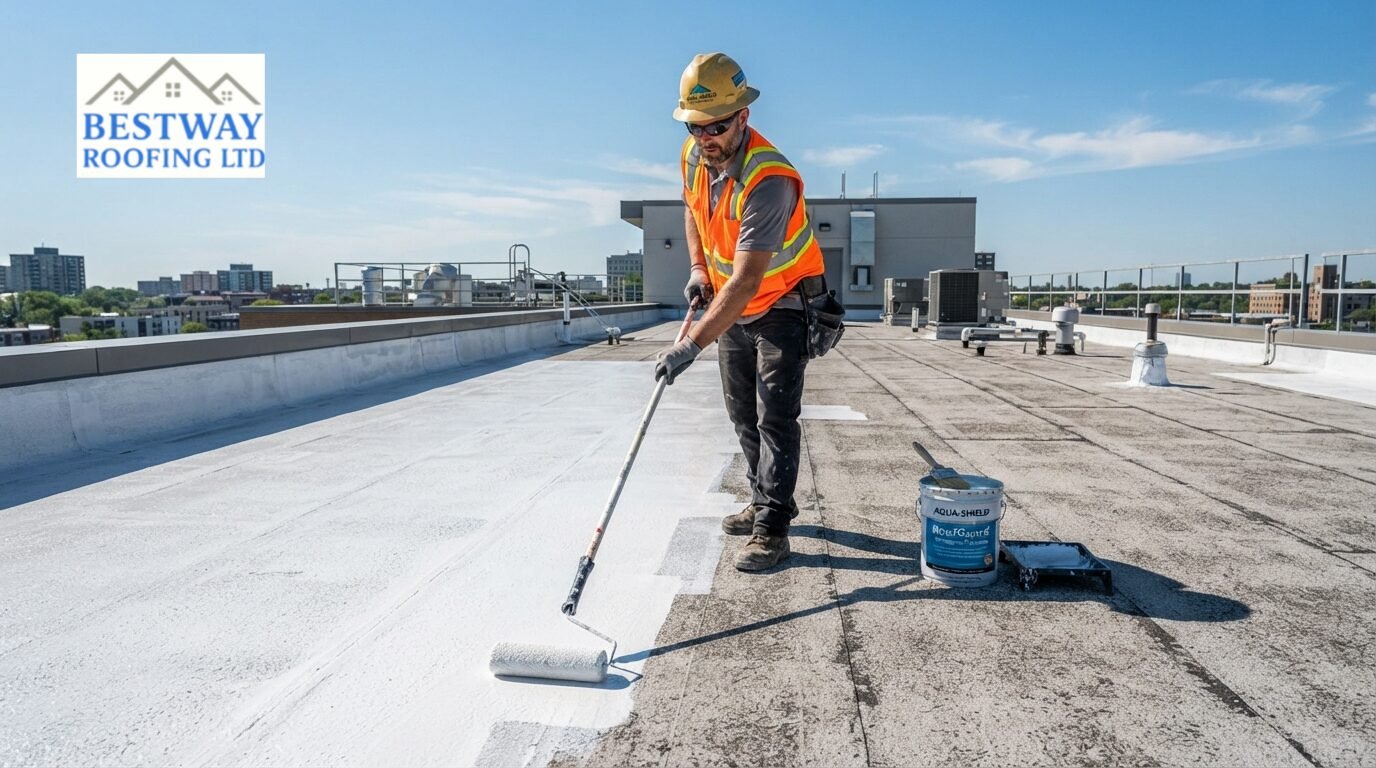
A flat roof is one of the most practical roofing solutions for extensions, garages, commercial buildings, and modern homes across Chelmsford and the wider Essex area. It’s cost-effective to install and makes efficient use of space, but it also takes a different kind of care than a pitched roof. Without regular roof maintenance, even a high-quality flat roof can develop leaks, ponding water, and membrane damage years before its time, and Chelmsford’s mix of wet winters and warm summer spells makes proper flat roof care especially important.
The good news is that most flat roof problems are preventable. With the right approach to flat roof care, a well-installed flat roof can last 20 to 50 years, depending on the material used, adding real durability and lifespan to your property. In this guide, we’ll walk through exactly how to maintain a flat roof, cover the essentials of flat roof house maintenance, spot early warning signs of damage, and extend its lifespan, whether it’s covered in felt, EPDM rubber, or GRP fiberglass, and whatever part of Chelmsford you’re in.
Why Maintaining a Flat Roof Matters in Chelmsford
Flat roofs don’t shed water as quickly as pitched roofs, which means they’re more exposed to standing water, debris build-up, and UV degradation over time. Chelmsford’s seasonal rainfall and occasional storms put extra pressure on drainage and seams, so local roof maintenance can’t be an afterthought. Left unchecked, small issues like a blocked outlet or a hairline crack can turn into costly structural repairs, damp, or even roof collapse in severe cases.
Consistent roof maintenance:
- Prevents small defects from becoming major leaks
- Protects the roof deck and internal structure from water damage
- Reduces the risk of costly emergency repairs
- Keeps insurance and warranty terms valid
- Extends the overall lifespan of the roofing system
Understanding Your Flat Roof Type
Before creating a maintenance plan, it helps to know which material your flat roof is made from, as each has slightly different care requirements.
Felt Roofing (Built-Up Felt)
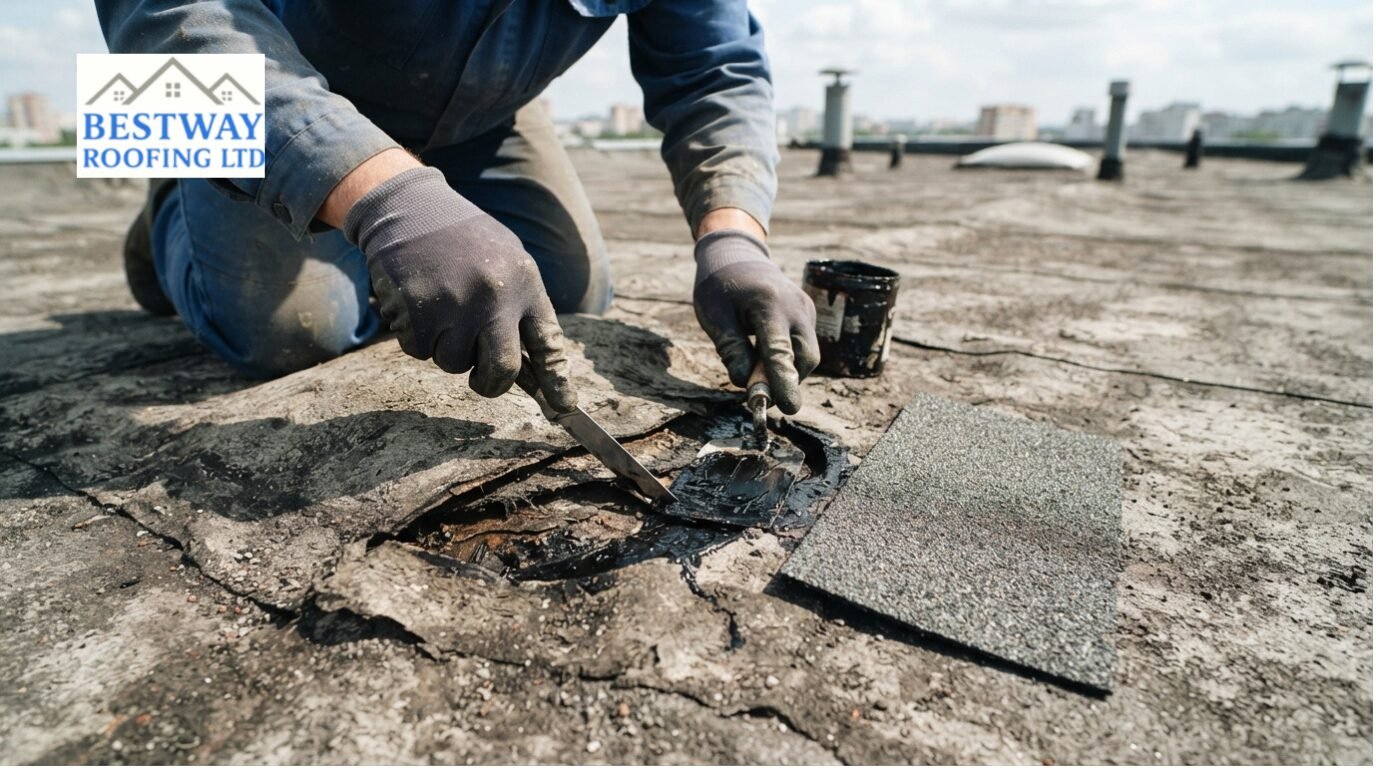
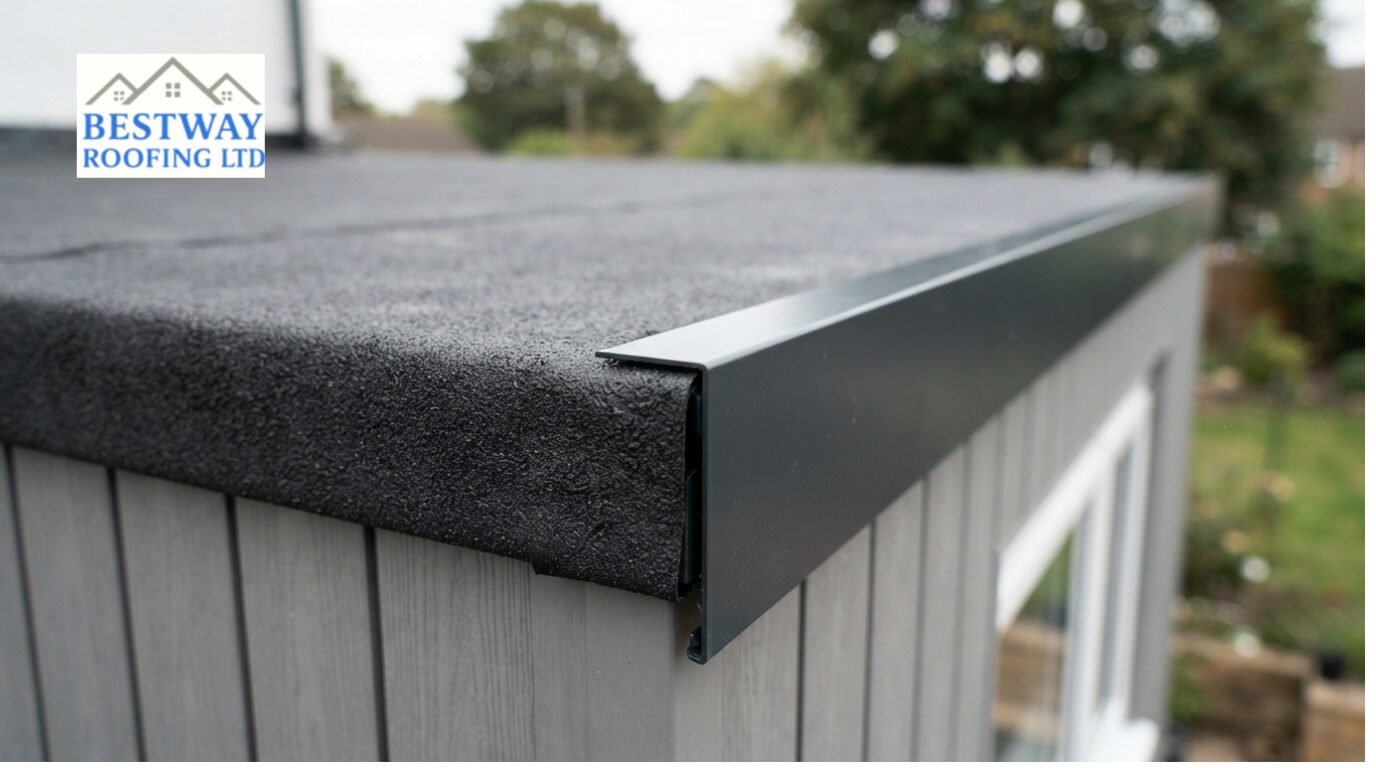
Traditional felt roofing is applied in layers and bonded with heat or adhesive. It’s affordable but more prone to blistering, splitting, and UV damage, and it typically lasts 10–20 years with proper upkeep.
EPDM Rubber Roofing
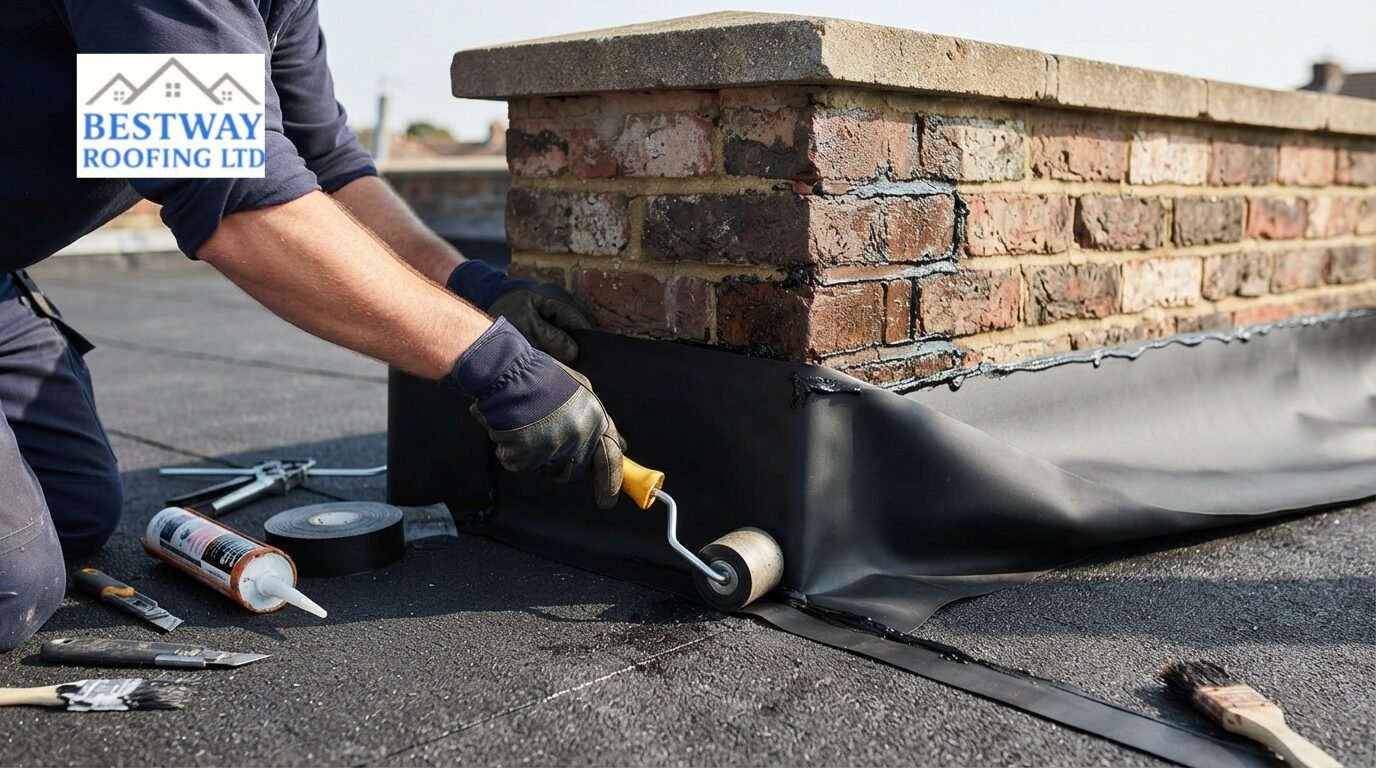
EPDM (ethylene propylene diene monomer) is a single-ply synthetic rubber membrane known for flexibility and durability. It handles UK weather well and can last 25–50 years with minimal maintenance.
GRP Fiberglass Roofing
GRP (glass-reinforced plastic) is a seamless, rigid roofing system that’s highly resistant to water ingress and UV exposure. It typically lasts 25–30 years and requires very little upkeep beyond routine inspection.
Single-Ply Membrane (PVC/TPO)
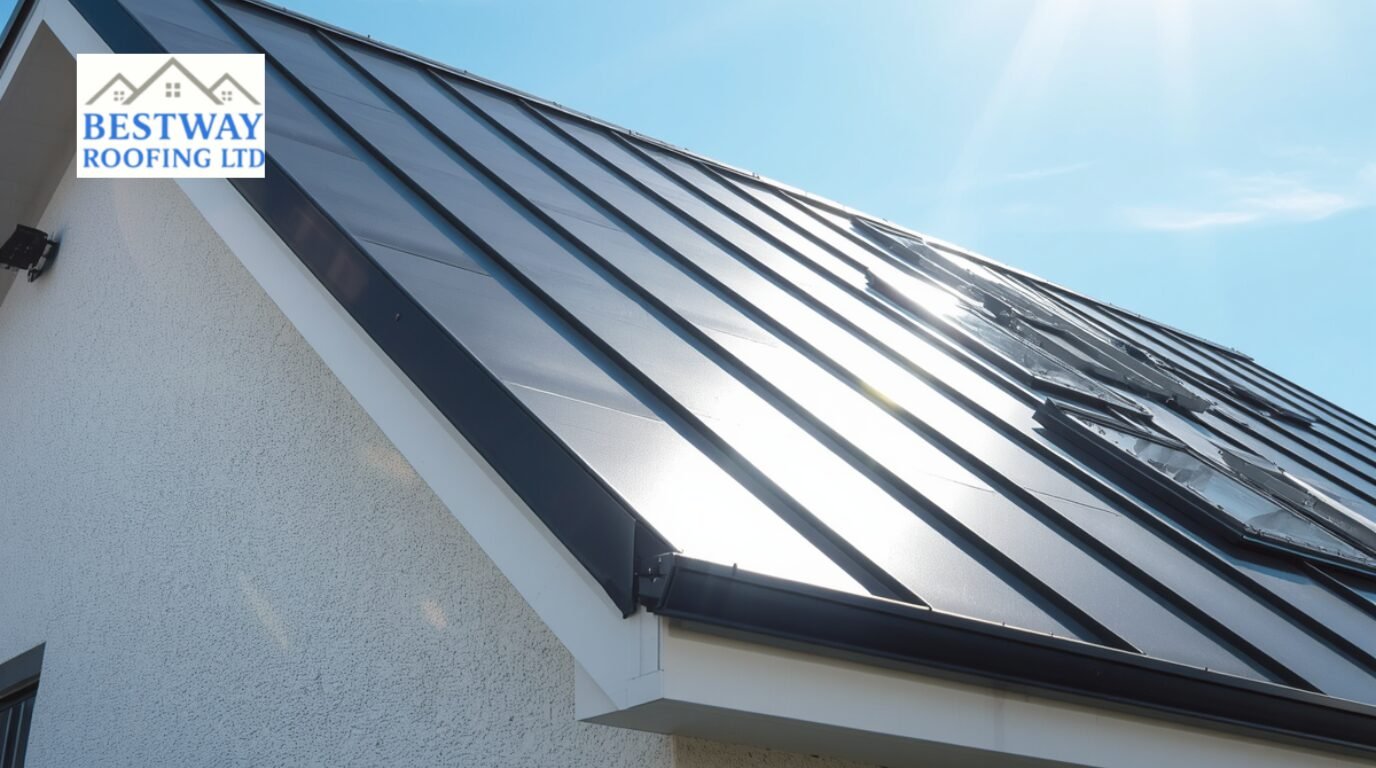
Common in commercial buildings, these membranes are lightweight, flexible, and resistant to chemicals and UV rays, and generally last 20–30 years.
How to Maintain a Flat Roof: Step-by-Step
Following a consistent flat roof maintenance schedule is the easiest way to stay ahead of problems. Here’s what that schedule should include.
1. Carry Out Regular Roof Inspections
Inspect your flat roof at least twice a year, typically in spring and autumn and after any severe storm. A thorough roof inspection should look for:
- Cracks, blisters, or splits in the membrane
- Ponding water that hasn’t drained after 48 hours
- Loose or lifting edges and flashing
- Debris build-up around outlets and gutters
- Signs of moss, algae, or vegetation growth
- Soft or spongy patches, which may indicate trapped moisture
If you’re not comfortable accessing the roof safely, a professional roofing contractor in Chelmsford can carry out a thorough inspection using the correct access equipment.
2. Keep the Roof Clear of Debris
Leaves, moss, and general debris trap moisture against the roof surface, accelerating material breakdown. Clear debris regularly, especially near drainage outlets, to keep water flowing freely off the roof.
3. Check and Clear Drainage Outlets and Gutters
Poor drainage is one of the leading causes of premature flat roof failure. Blocked outlets, gullies, and gutters cause water to pool, adding unnecessary weight and increasing the risk of leaks. Clean gutters and outlets at least twice a year.
4. Address Ponding Water Promptly
A small amount of water sitting after rainfall is normal, but standing water that remains for more than 48 hours can degrade the membrane and cause interior damage over time. Persistent ponding often points to poor roof falls (the roof’s slight slope) and may require professional regrading or additional drainage.
5. Inspect and Maintain Flashing and Seams
Flashing around chimneys, rooflights, and roof edges is a common failure point. Check that flashing is securely fixed and free from gaps, and ensure seams on felt or single-ply membranes remain properly bonded.
6. Trim Overhanging Branches
Overhanging trees drop leaves and debris onto the roof and can cause physical damage during high winds. Trim back branches to reduce debris accumulation and prevent abrasion damage to the membrane.
7. Apply Protective Coatings When Needed
Depending on the flat roofing material, a liquid waterproofing coating or a UV-protective, solar-reflective coating can add years to the roof’s life by shielding it from sun damage and minor cracking. This is particularly effective for felt and GRP roofs nearing the midpoint of their lifespan.
8. Carry Out Flat Roof Repair Work Immediately
Small cracks, blisters, or lifted seams should be repaired as soon as they’re spotted. Left untreated, minor defects allow water ingress that can damage insulation, the roof deck, and ceilings below. Prompt flat roof repair is almost always cheaper than waiting for a small issue to spread.
9. Schedule Professional Roof Surveys
Even with regular DIY checks, an annual or biennial inspection by a qualified roofing contractor is the best way to catch hidden issues, such as trapped moisture beneath the membrane, that aren’t visible from a casual visual check. If you’re based in Chelmsford, working with a local roofer who knows the area’s weather patterns and common flat roof issues can make these surveys even more effective.
Signs Your Flat Roof Needs Repair or Replacement
Contact a professional roofer if you notice:
- Persistent leaks or damp patches on ceilings
- Bubbling, blistering, or cracking across large areas
- Sagging sections of the roof deck
- Membrane that has become brittle or is pulling away at the edges
- A musty smell or visible mould in the loft or roof void
- The roof is approaching or has exceeded its expected lifespan
Regular maintenance is the single most effective way to extend the lifespan of a flat roof and avoid costly emergency repairs. If it’s been a while since your last inspection, or you’ve noticed signs of wear, our experienced roofers in Chelmsford can carry out a full flat roof survey and recommend the right maintenance or repair plan for your property.
Get in touch with Bestway Roofing Limited today for a professional flat roof inspection and free quote in Chelmsford.
Flat Roof Maintenance Schedule Checklist
- Inspect the roof twice a year and after major storms
- Clear debris, leaves, and moss regularly
- Check and clean gutters and drainage outlets
- Monitor for ponding water lasting more than 48 hours
- Inspect flashing, seams, and roof edges
- Trim back overhanging branches
- Apply protective or UV coatings as recommended
- Repair minor cracks or blisters immediately
- Book a professional roof survey annually
Conclusion
Maintaining a flat roof doesn’t have to be complicated, but it does need to be consistent, especially for homes and businesses across Chelmsford, where changeable weather can quietly wear down an unmaintained roof. From clearing debris and checking drainage to spotting the early signs of ponding water or membrane wear, a little routine flat roof care goes a long way toward avoiding expensive surprises. Whether your property has an EPDM, GRP fibreglass, or felt roof, the principle stays the same: regular roof inspection, prompt flat roof repair, and a dependable flat roof maintenance schedule are what stand between a roof that fails early and one that reaches or exceeds its full expected lifespan.
Think of it as an investment rather than a chore. Every hour spent on flat roof house maintenance now is time and money saved on emergency repairs later, and it’s the single biggest factor within your control when it comes to roof durability and long-term roof lifespan.
FAQs
How often should a flat roof be inspected?
A flat roof should be inspected at least twice a year, ideally in spring and autumn, plus after any severe weather event.
Can I walk on my flat roof to inspect it?
This depends on the roofing material and structure. Some flat roofs aren’t designed to bear regular foot traffic. If unsure, it’s safer to have a qualified roofing contractor carry out the inspection.
What causes most flat roof leaks?
Most leaks stem from blocked drainage, damaged flashing, split seams, or ponding water that has degraded the membrane over time.
Is ponding water on a flat roof normal?
A small amount of water after rainfall is common, but water that doesn’t drain within 48 hours signals a drainage or roof fall issue that should be addressed.
How much does flat roof maintenance cost?
Costs vary depending on roof size, material, and condition, but routine maintenance is significantly cheaper than emergency repairs or full replacement caused by neglect.
What’s the best flat roofing material for longevity?
EPDM rubber and GRP fibreglass are generally the most durable and low-maintenance options, often outlasting traditional felt roofing by a decade or more.
