
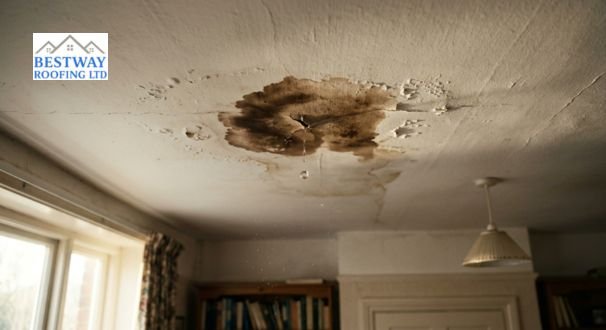
A water stain spreading across your ceiling is never a welcome sight. Whether it appeared after last night’s heavy rain or you have only recently noticed it, the first question most homeowners ask is simple: Will my home insurance cover this?
The honest answer is that it depends. Whether your policy covers a leaking roof usually comes down to one key factor: was the damage caused by something sudden and unexpected, or did it develop gradually over time? That single detail plays a major role in how insurers assess roof insurance claims.
This guide explains everything clearly, helping you understand where you stand before contacting your insurance provider.
What Does Home Insurance Actually Cover When It Comes to Roofs?
Your building insurance is the part of your home insurance policy that protects the physical structure of your property, including the roof. However, it will not cover every type of roof problem.
Standard UK buildings insurance is designed to pay for sudden and unexpected damage. Insurers refer to these as “insured perils”, which commonly include:
- Storm and severe weather damage
- Damage caused by falling trees or branches
- Fire and lightning damage
- Vandalism or attempted theft was reported to the police
- Accidental impact from vehicles or aircraft
For example, if a named storm damages your roof tiles and rainwater enters the property, your insurer may cover both the roof repairs and any resulting internal water damage, depending on your policy limits and excess.
However, insurers generally will not cover roofs that have gradually deteriorated over time or were already in poor condition before the damage happened.
When Does Home Insurance Cover Roof Leaks?
So, does home insurance cover roof leaks? In many cases, yes, but only when the damage is sudden, accidental, and linked to an insured event. Below are some of the most common situations where homeowners are likely to have a valid roof insurance claim.
Storm Damage
Storm damage is one of the most common reasons homeowners in Chelmsford and across the UK make roof insurance claims. High winds, heavy rain, and hail can dislodge roof tiles, damage flashing, and create openings where water can enter the property.
The UK has seen a significant increase in weather-related insurance claims in recent years, with severe storms causing millions of pounds worth of property damage annually.
Fallen Trees or Branches
Damage caused by fallen trees or large branches is usually covered under standard building insurance policies. If a neighbour’s tree falls onto your roof during a storm, your own insurer would normally handle the repair costs first.
This type of roof damage is generally treated as a sudden and unexpected event, which is exactly what insurance policies are designed to cover.
Fire or Lightning Damage
Fire and lightning can cause major structural damage to roofing materials, timbers, and insulation. If a fire starts in the loft or lightning strikes the property, any resulting roof leak or structural damage would normally be covered by your buildings insurance.
Accidental Damage
Some policies also include accidental damage cover, although this is often an optional extra. This may apply if a contractor, builder, or even a DIY accident accidentally damages part of the roof during work on the property.
When Will Your Insurer Say No?
This is where many homeowners get caught out, so it’s important to be clear about the situations where a roof leak claim is likely to be rejected.
Wear and Tear
Wear and tear is the most common reason roof leak claims are turned down. If your roof is ageing, tiles have cracked gradually, or the underlay has deteriorated over time, insurers will treat it as a maintenance issue.
In simple terms, they expect homeowners to keep the property in a reasonable condition. A roof that has been slowly leaking for months or years is very different from sudden storm damage, and insurers are unlikely to pay out in those cases.
In many situations, roofs that are around 15–20 years old or more are often assessed more strictly. If you are unsure about your roof’s condition, understanding how long a roof lasts and when it needs replacing can help you make that judgement.
Poor Maintenance
Poor maintenance is another major exclusion. Issues such as blocked gutters, missing or cracked flashing, or deteriorated mortar around chimneys can all lead to leaks if left unresolved.
If an insurer finds that the damage could have been prevented with basic upkeep, they can reasonably refuse the claim. Regular roof maintenance plays a key role in avoiding this problem.
Faulty Workmanship
Insurance does not cover damage caused by poor roofing work. If a repair or installation was done incorrectly and the roof has been leaking since, this becomes a dispute between you and the contractor who carried out the work.
Building insurance is not designed to fix substandard workmanship.
Pre-Existing Damage
Pre-existing damage is also excluded from cover. If the roof was already in poor condition before your policy started, any related leak or deterioration is unlikely to be accepted as a valid claim.
Insurers assess when the problem began and whether it existed before the policy was taken out.
Does House Insurance Cover Roof Leaks for Older Roofs?
This is one of the most commonly asked questions by homeowners, and the straightforward answer is usually no, or at least not fully. When a roof gets older, typically after around 15 years, insurers become much more cautious about covering any leaks or related damage.
Even if storm damage is involved, insurers will carefully inspect the overall condition of the roof before deciding on a claim. If the roof already shows clear signs of ageing, wear, or long-term deterioration, they may argue that the damage was not caused purely by the storm. Instead, they may see the weather event as something that exposed an existing weakness rather than being the direct cause of the leak.
For this reason, claims involving older roofs are often more difficult to approve, especially if the property appears to have needed maintenance or replacement in the near future.
If you own an older home, it is highly recommended to have your roof inspected by a professional on a regular basis, ideally once a year. Keeping proper records of inspections, repairs, and maintenance work can make a significant difference if you ever need to make a claim. This evidence shows that the roof has been looked after, which can help support your case and improve your chances of approval.
What to Do the Moment You Discover a Roof Leak
Acting quickly is important both to protect your home and to protect your insurance claim. Here’s exactly what you should do:
Contain the water first
Use buckets, towels, or containers to catch dripping water and reduce further damage. If the leak is near electrical appliances or sockets, switch off the power to that area immediately.
Move valuables out of the affected area
Shift furniture, electronics, documents, and anything else at risk away from the leak to prevent avoidable damage.
Document everything properly
Take clear photos and videos of the leak, water damage, and, if safe, any visible roof damage from inside the loft. If you are struggling to trace where the water is coming from, finding the exact source of a roof leak before contacting your insurer will strengthen your claim.
Contact your insurer as soon as possible
Report the leak without delay. Let your insurer guide you through the next steps and avoid carrying out major permanent repairs before they assess the situation.
Carry out emergency temporary repairs if needed
If necessary, use a tarpaulin or temporary covering to stop further water ingress. Keep all receipts and take before-and-after photos for evidence.
Call a qualified roofer
Get a professional inspection to assess the damage and identify the cause of the leak. This also helps estimate repair costs and supports your insurance claim.
For homeowners in the Chelmsford area, a quick inspection from roofers in Chelmsford can be especially useful when insurers need fast and reliable evidence of the damage and its extent.
How to Make a Roof Insurance Claim: Step by Step
Making a claim does not have to be stressful if you know the process and stay organised from the start. Here is a simple step-by-step guide to help you understand how it works.
Step 1 – Review your policy
Before contacting your insurer, check your policy documents carefully. Look at your excess amount, what is actually covered, and whether accidental damage is included. This helps you avoid surprises later in the process.
Step 2 – Report the claim
Contact your insurer’s claims line and explain the situation clearly. Describe the roof leak, what caused it (if known), and when you first noticed the damage. Keep your explanation simple and factual.
Step 3 – Submit your evidence
Send all supporting evidence to your insurer. This may include photos, videos, weather reports from the time of the incident, receipts for any emergency repairs, and details of past roof maintenance. A complete and organised submission usually makes the process smoother.
Step 4 – Insurer assessment
Your insurer may arrange for a loss adjuster to inspect the property in person. Cooperate fully during the inspection and answer any questions honestly, as this helps them assess the claim accurately.
Step 5 – Repair and settlement
If your claim is approved, your insurer will confirm how repairs will be handled and what costs are covered. Make sure you keep copies of all communication and documents throughout the process for your records.
Tips to Protect Your Roof and Your Claim
A properly maintained roof is your strongest defence against leaks and also against rejected insurance claims. A little regular care can save you from major repair costs later.
Schedule annual roof inspections
It is a good idea to arrange a professional roof inspection at least once a year, ideally before winter. This helps identify issues like loose tiles, damaged flashing, or blocked valleys before they turn into serious leaks.
Keep your gutters clean
Blocked gutters are one of the most common and preventable causes of roof damage. When water cannot drain properly, it can back up under the roof tiles and lead to internal leaks.
Maintain a repair and inspection log
Keep a simple record of all roof-related work, including inspections, repairs, and improvements. This documentation can be very useful if you ever need to support an insurance claim.
Review your insurance coverage regularly
Building costs increase over time, so it is important to check that your building insurance reflects the current rebuild value of your home. Underinsurance can lead to reduced payouts.
Act quickly on small leaks
Never ignore minor leaks or damp patches. Small issues often develop into major problems if left untreated, and delays can also affect insurance eligibility.
If you ever need urgent help or a professional opinion, experienced roofers in Chelmsford can usually provide quick inspections and emergency support when required.
Conclusion
The simple answer is yes, home insurance can cover roof leaks, but only when the damage is caused by a sudden and unexpected event such as a storm or a falling tree.
Leaks that develop over time due to gradual wear and tear, poor maintenance, or ageing roofing materials are generally the homeowner’s responsibility and are not covered by most policies.
For homeowners in Chelmsford, where weather conditions in the UK are becoming increasingly unpredictable and named storms are more frequent, it is especially important to stay prepared. Keeping your insurance policy up to date, arranging regular roof inspections, and understanding exactly what your cover includes can make a big difference before a problem arises.
Taking a proactive approach with proper maintenance, clear records, and a solid understanding of your policy gives you the best possible chance of a smooth and successful roof insurance claim if you ever need to make one.
Frequently Asked Questions
Q. Does home insurance cover roof leaks caused by heavy rain?
It depends on the exact cause of the leak. If heavy rain leads to sudden damage, such as dislodging roof tiles or creating an unexpected opening in the roof, then it is more likely to be covered under your home insurance policy. However, if the rain simply exposes an existing weakness like worn-out materials or long-term deterioration, then your insurer may refuse the claim, as it would be classed as a maintenance issue rather than sudden storm damage.
Q. Will my insurer cover the full cost of a roof replacement?
Generally, no. Insurance covers the cost of repairing the damage caused by the insured event, not replacing an entire roof due to its age or general condition. If storm damage has affected only part of the roof, you’d typically claim for those specific repairs.
Q. What happens if my roof leak claim is rejected?
You can challenge the decision through your insurer’s formal complaints process. If you’re still unhappy, you can escalate to the Financial Ombudsman Service (FOS) for an independent review, free of charge.
Q. Is a flat roof covered by standard home insurance?
Yes, flat roofs are generally covered, but policies often include specific conditions. You may need to inform your insurer that part of your roof is flat, and you might be required to carry out regular inspections and keep records. Flat roofs are more prone to water pooling, so insurers sometimes charge higher premiums or impose stricter maintenance clauses.
Q. Should I get a roofer out before contacting my insurer?
If the damage is severe and causing immediate problems, it is sensible to arrange an emergency inspection or temporary repair to prevent further harm to your home. However, you should still contact your insurer as soon as possible, ideally before any major repair work is carried out, so they can guide you through the claims process and arrange their own assessment if required. Make sure you keep all receipts and records for any emergency work completed.

Pingback: What to Do When Your Roof Is Leaking Right Now | Bestway